
Estimated reading time: 12 minutes
Selecting a garage door in Texas involves more than picking a popular name. The relentless summer heat, sudden storms, and high humidity place unique demands on materials, insulation, and hardware. A door that performs well in a mild northern climate may warp, fade, or lose efficiency under the intense Texas sun within just a few years. This comprehensive guide walks you through the key factors that matter most when choosing the best garage door brands for your Texas home.
- Texas climate demands garage doors with superior UV-resistant coatings and high R-value insulation to combat extreme heat
- Wind load ratings are mandatory for coastal Texas properties and beneficial for storm protection statewide
- Steel doors with polyurethane cores offer the best balance of durability, insulation, and low maintenance for Texas homes
- Professional installation ensures proper sealing, spring tension, and code compliance for optimal performance
- Texas Pros Garage Doors provides localized expertise to match specific products with your home’s unique climate exposure
▼
- Key Factors When Comparing Garage Door Brands
- Popular and Highly-Rated Garage Door Brands
- How Does Insulation Affect Comfort in a Texas Garage?
- What Mistakes Do Homeowners Make When Choosing?
- How Do You Compare Quotes Without Getting Confused?
- When Should You Replace Panels Instead of the Entire Door?
- What Questions Should You Ask an Installer?
- How Texas Pros Addresses Local Climate Challenges
- Making Your Final Decision: A Practical Checklist
- Frequently Asked Questions
Our technicians help you choose the perfect door for your Texas home’s specific needs and budget.
(210) 469-9003
Get Your Free Quote
4.8 Rating from 70+ Reviews
24/7 Emergency Service
Key Factors When Comparing Garage Door Brands
The “best” brand is rarely universal. One homeowner may prioritize wind resistance for a Gulf Coast property, while another in the Dallas suburbs focuses on insulation to keep a workshop comfortable year-round. Budget, curb appeal, and long-term maintenance costs also shape the decision. Rather than chasing brand names, focus on measurable specifications that match your priorities.
Material and Durability
Garage doors typically come in steel, wood, composite, or aluminum. Steel remains the most popular choice because it balances strength, affordability, and low maintenance. Modern steel doors feature multi-layer construction with polyurethane or polystyrene cores, adding rigidity and insulation without excessive weight.
Wood offers timeless beauty but demands regular sealing and repainting to survive Texas humidity. Composite materials mimic wood grain while resisting rot and warping, making them a practical middle ground. Aluminum suits contemporary designs with large glass panels, though thinner gauges dent more easily than steel.
Texas weather accelerates wear on coatings and seals. Look for factory-applied primer and topcoat systems rated for UV exposure. A door with a baked-on finish typically outlasts one with a simple spray coating, especially on south-facing garages that absorb direct sunlight for hours each day.
Insulation R-Value and Energy Efficiency
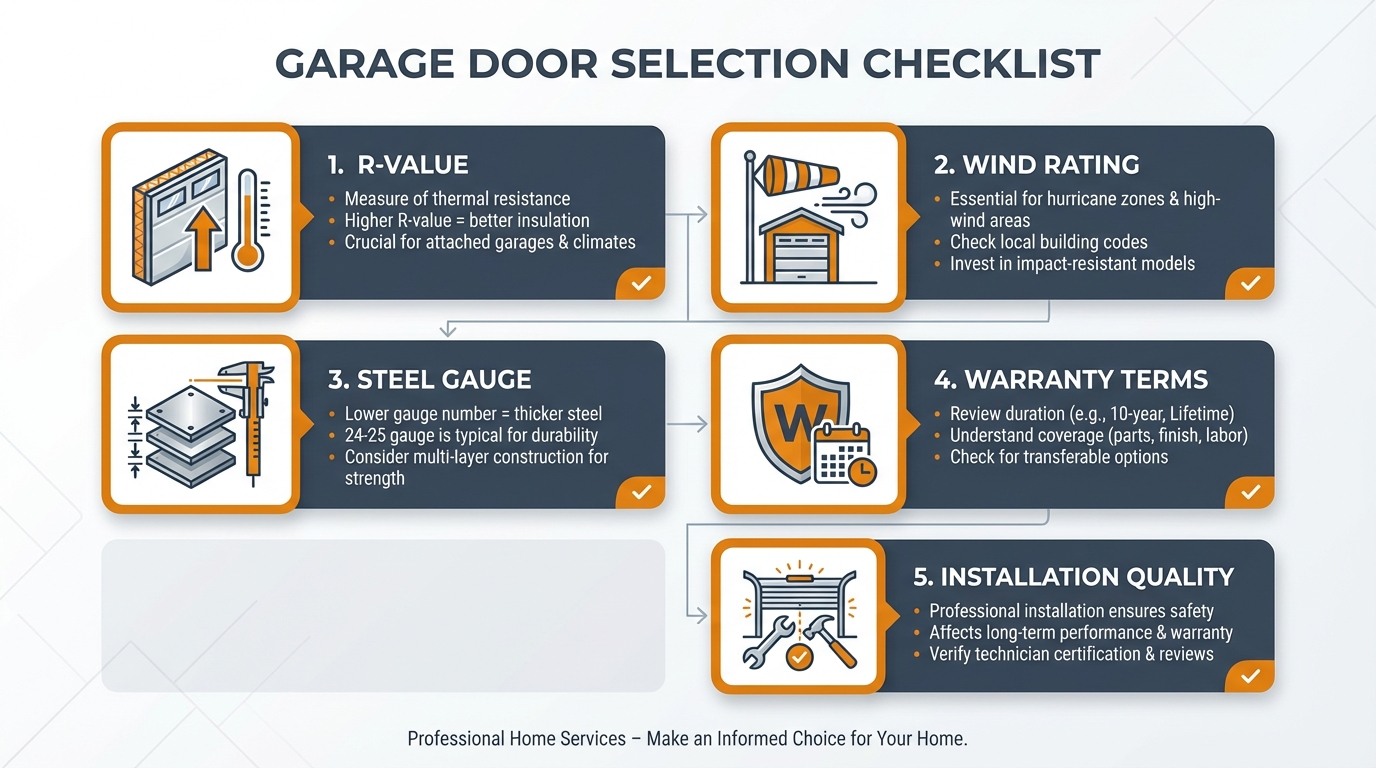
R-value measures thermal resistance. Higher numbers indicate better insulation. For attached garages or homes with living spaces above the garage, insulation directly affects indoor comfort and utility bills. The U.S. Department of Energy notes that lower U-factor and Solar Heat Gain Coefficient values indicate better energy performance for door assemblies, including any glazed sections.
Proper installation matters as much as the stated R-value. Gaps around the frame, misaligned weatherstripping, or compressed insulation reduce real-world performance. Air sealing between the garage and conditioned spaces prevents hot air from migrating indoors, a critical step when temperatures outside exceed 100 degrees Fahrenheit for weeks at a time.
Texas Pros Garage Doors emphasizes complete perimeter sealing during every installation. Their teams verify that bottom seals, side weatherstripping, and header stops create a continuous barrier, maximizing the insulation you pay for.
Wind Resistance and Texas Building Codes
Coastal and hurricane-prone regions of Texas require garage doors that meet specific wind load ratings. The Texas Department of Insurance mandates windstorm inspections for properties in designated areas, and doors must comply with adopted building codes to qualify for coverage. Construction in these zones currently follows the 2018 International Residential Code or International Building Code standards.
Homeowners should ask contractors about testing certifications such as ASTM E330, which evaluates structural performance under wind pressure. A door rated for high wind zones includes reinforced tracks, heavier-gauge steel, and additional bracing. Even outside coastal areas, a wind-rated door provides extra security during sudden spring storms common across North Texas.
Texas Pros Garage Doors helps customers verify compliance before installation. Their familiarity with local permitting and TDI requirements streamlines the process, reducing delays and ensuring documentation is in order for insurance purposes.
| Factor | Why It Matters in Texas | What to Request |
|---|---|---|
| R-Value | Reduces heat transfer into attached spaces | Written spec sheet with core type |
| Wind Load Rating | Required for coastal insurance certification | Test report referencing ASTM E330 |
| Steel Gauge | Thicker steel resists dents and warping | Gauge number for outer and inner skins |
| Coating System | UV and humidity protection | Primer layers and topcoat warranty |
Safety Features and Technology
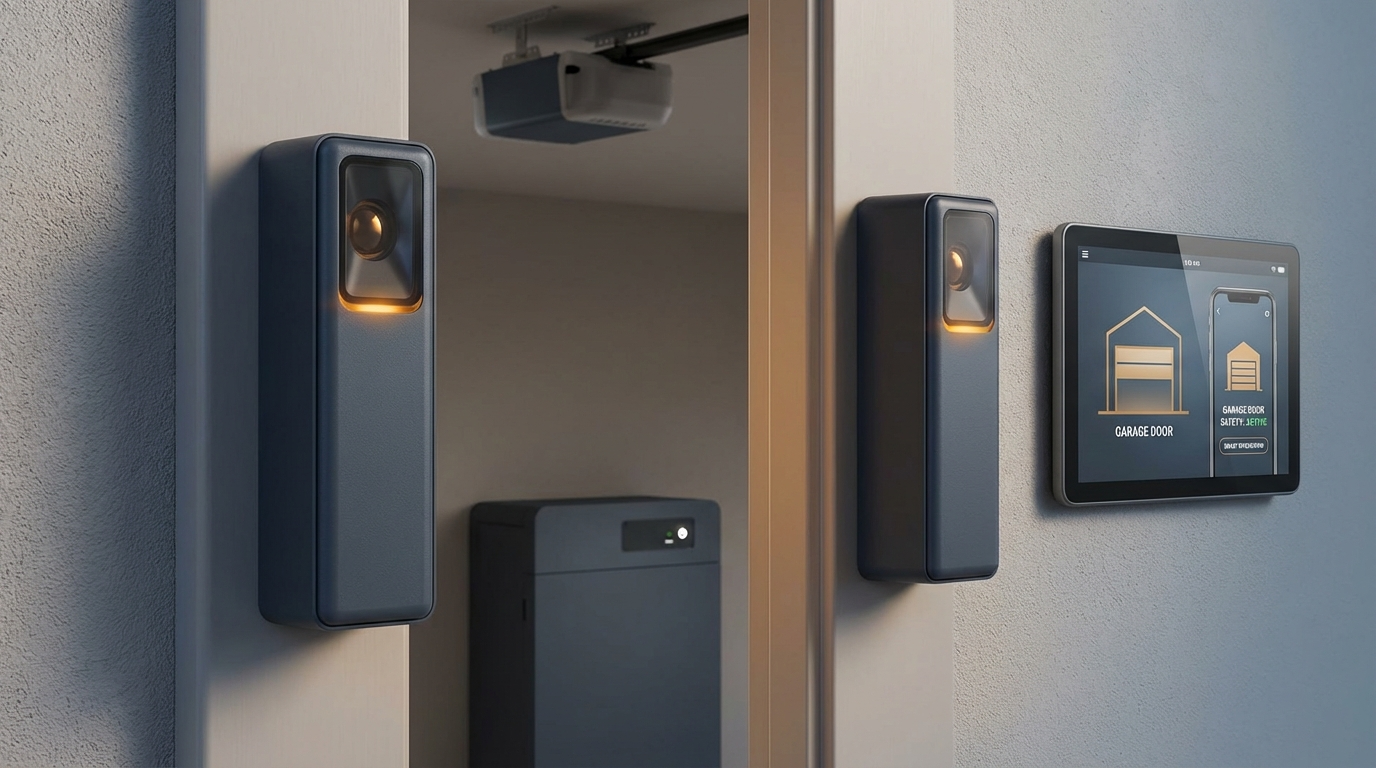
Federal regulations require automatic garage door openers manufactured after January 1, 1993, to include entrapment protection. Photoelectric sensors detect obstructions and reverse the door before contact. The Consumer Product Safety Commission recommends testing this feature monthly by placing an object in the door’s path and verifying immediate reversal.
Modern openers add smart home integration, allowing control via smartphone apps. Battery backup ensures operation during power outages, a practical feature when severe weather knocks out electricity. Some systems send alerts if the door remains open beyond a set time, adding a layer of security for forgetful moments.
A critical safety note: never run a vehicle inside an attached garage, even with the door open. Carbon monoxide can accumulate quickly, posing serious health risks. The CDC emphasizes this warning regardless of ventilation.
Aesthetics and Customization Options
Garage doors occupy a significant portion of a home’s front elevation. Style, color, window placement, and hardware accents all influence curb appeal. Leading manufacturers offer panels that replicate wood grain, carriage-house designs, and sleek contemporary finishes, allowing homeowners to match architectural styles without sacrificing durability.
Window inserts introduce natural light but require consideration of privacy and additional heat gain. Tinted or frosted glass reduces visibility from outside while still brightening the interior. Decorative hardware like handles and hinges can transform a plain steel door into a focal point that elevates the entire streetscape.
Warranty and Customer Support
Warranty terms vary widely. Some cover only the door sections, while others include hardware, springs, and even labor for a limited period. “Lifetime” warranties often carry prorated clauses that reduce coverage over time. Read the fine print to understand exclusions, such as damage from improper installation or lack of maintenance.
Reliable customer support depends on a strong dealer network. A reputable brand with local distributors ensures replacement parts remain available years after purchase. Ask installers which brands they service most frequently and whether parts typically ship quickly or require extended lead times.
What Our Customers Say
Google Review
“The spring on my garage door broke and they were able to come out within an hour. Very professional service and fair pricing.”
Google Review
“Excellent experience from start to finish. They helped me select the right door design and the installation was completed in one day.”
Google Review
“My garage door spring broke on a Saturday morning. They came out the same day and fixed it quickly. Great service!”
Google Review
“Professional commercial garage door repair. They understood the urgency for our business and minimized our downtime.”
Popular and Highly-Rated Garage Door Brands
Overview of Leading Manufacturers
Several manufacturers have built reputations for quality, variety, and durability over decades. Clopay, Amarr, Wayne Dalton, and Raynor each offer product lines spanning entry-level to premium tiers. Within a single brand, two models can differ dramatically in insulation, steel thickness, and hardware quality.
Specific brand recommendations depend on homeowner priorities. A family seeking maximum insulation may gravitate toward a different product line than someone prioritizing a carriage-house aesthetic. Rather than declaring one brand “best,” evaluate individual models against your checklist of specifications.
What Sets Texas Pros Garage Doors Apart
Texas Pros Garage Doors partners with multiple top brands, allowing technicians to recommend products based on performance data rather than limited inventory. Their team conducts brand comparisons tailored to each customer’s budget, climate exposure, and design preferences.
Beyond product selection, the company emphasizes installation quality. A perfectly rated door underperforms if tracks are misaligned or springs are incorrectly tensioned. Texas Pros technicians calibrate every component, verify safety sensors, and walk homeowners through maintenance steps before leaving the job site.
Local expertise matters. Familiarity with Texas building codes, windstorm certification requirements, and regional climate patterns ensures installations meet both legal standards and practical needs. Customers benefit from responsive service when questions arise after the sale.
Get expert recommendations tailored to your Texas home’s specific requirements.
How Does Insulation Affect Comfort in a Texas Garage?
An uninsulated garage can reach temperatures exceeding 130 degrees Fahrenheit on a summer afternoon. Heat radiates through walls and ceilings into adjacent living spaces, forcing air conditioning systems to work harder. Insulated doors reduce this thermal load, keeping the garage closer to outdoor shade temperatures and easing strain on HVAC equipment.
Beyond temperature, insulation dampens noise. A well-insulated multi-layer door operates more quietly and feels sturdier than a single-skin panel. Homeowners who use their garage as a workshop, gym, or extended living area notice immediate improvements in comfort and usability.
What Mistakes Do Homeowners Make When Choosing a Garage Door?
One common error is focusing solely on upfront price. A budget door with thin steel and minimal insulation may cost less initially but require earlier replacement and higher energy bills. Evaluating total cost of ownership over a decade often reveals that mid-range options deliver better value.
Another mistake is ignoring hardware. Springs, rollers, and tracks determine how smoothly and quietly the door operates. Cheap components wear out faster, leading to noisy operation and potential safety issues. Always ask what hardware is included in a quote and whether upgrades are available.
Skipping professional installation ranks among the riskiest decisions. Garage doors are heavy and operate under high spring tension. Improper installation can result in injury, property damage, or premature failure. Texas Pros Garage Doors provides trained technicians who follow manufacturer protocols and local safety codes.
How Do You Compare Quotes Without Getting Confused?
Request itemized quotes that specify door model, R-value, steel gauge, spring type, roller material, and warranty terms. Two quotes at similar prices can represent vastly different products. A lower bid may omit removal of the old door, new weatherstripping, or post-installation adjustments.
Ask whether labor for future service calls is included in the warranty. Some installers offer a one-year labor guarantee, while others charge from the first visit after installation day. Clarify response times for emergency repairs, especially if you rely on the garage as your primary entry point.
| Quote Item | Questions to Ask |
|---|---|
| Door Model | What are the layer count, core material, and steel gauge? |
| Hardware | What spring cycle rating and roller type are included? |
| Installation | Does the price include removal, disposal, and new weatherstripping? |
| Warranty | Is labor covered? For how long? What voids coverage? |
| Timeline | What is the lead time for the door and scheduling installation? |
When Should You Replace Panels Instead of the Entire Door?
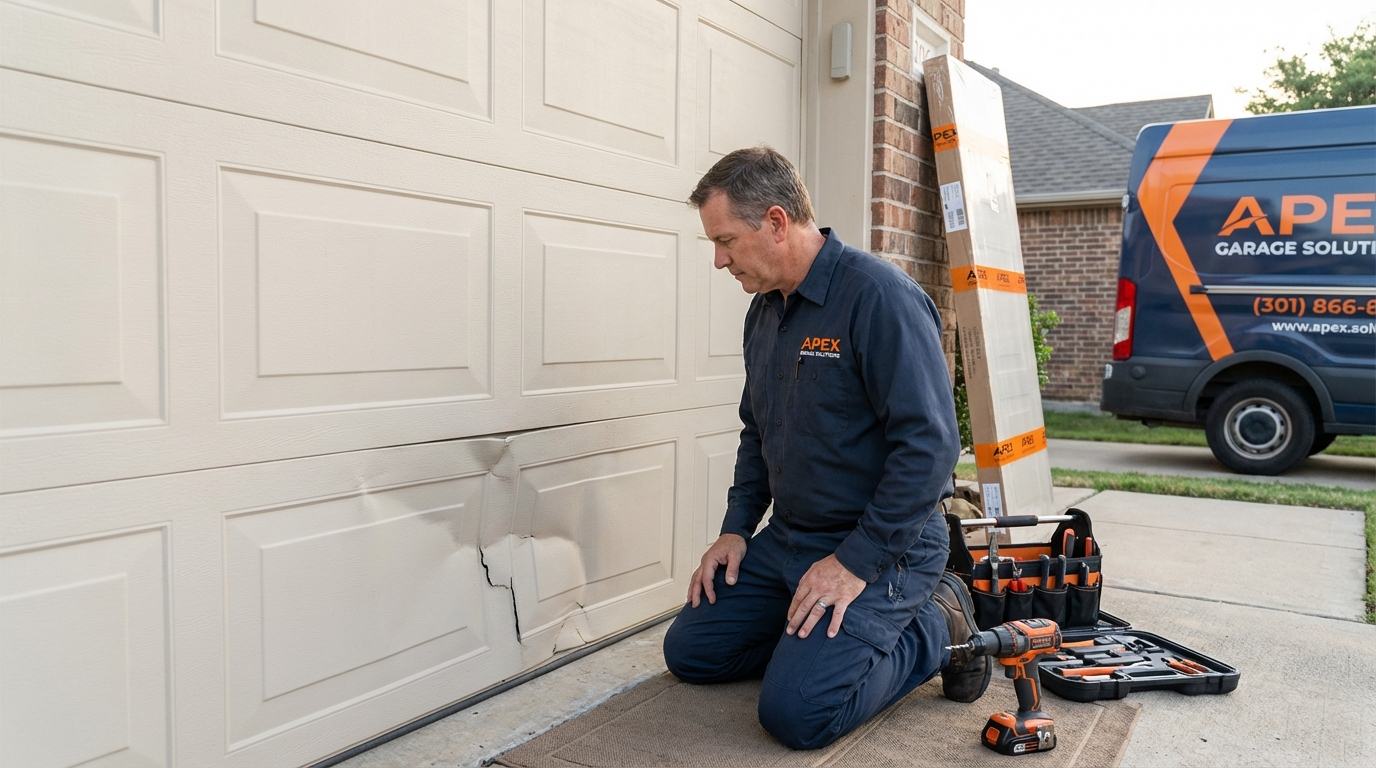
Panel replacement makes sense when damage is isolated to one or two sections and the rest of the door remains structurally sound. Matching color and texture can be challenging if the door has weathered over several years, so inspect replacement panels alongside existing ones before committing.
If tracks are bent, springs are worn, or the door has visible warping across multiple sections, full replacement is usually more cost-effective. Mixing old hardware with new panels can create uneven wear patterns and shorten the lifespan of both components.
What Questions Should You Ask an Installer?
Start by confirming who performs the work. Some companies subcontract installations, which can affect accountability and warranty enforcement. Ask whether technicians are employees or contractors and what training they receive.
Inquire about the balancing and adjustment process. A properly balanced door places minimal strain on the opener and extends spring life. Request a demonstration of the manual release and safety sensor test before signing off on the job.
Finally, clarify service availability. A company that installs quickly but takes weeks to respond to repairs offers limited long-term value. Texas Pros Garage Doors maintains dedicated service teams across Texas, ensuring prompt support when issues arise.
Google Review
“Called on a Sunday evening when my opener stopped working. They came out the same night and got everything working again. Outstanding service!”
How Do Texas Pros Garage Doors Address Local Climate Challenges?
Texas spans multiple climate zones, from humid Gulf Coast conditions to arid West Texas heat. A single product recommendation cannot address every scenario. Texas Pros technicians assess each property’s sun exposure, wind patterns, and usage before suggesting specific doors and hardware.
For coastal installations, they verify wind load compliance and coordinate inspections required for TDI certification. Inland properties benefit from insulation and seal packages optimized for extreme heat cycles. This localized approach ensures homeowners receive solutions engineered for their environment, not generic recommendations from a distant warehouse.
Making Your Final Decision: A Practical Checklist
Define your priorities before requesting quotes. Determine whether insulation, wind resistance, aesthetics, or budget carries the most weight. Write down non-negotiables so you can compare offers against consistent criteria.
Request measurable specifications in writing. R-value, U-factor, SHGC for glazed sections, wind load ratings, and steel gauge should appear on every proposal. Vague descriptions like “high quality” or “energy efficient” mean little without supporting numbers.
Verify performance ratings through objective sources. The National Fenestration Rating Council provides a searchable database for U-factor and SHGC verification on rated products. The Texas Department of Insurance windstorm program lists approved products and inspection requirements for coastal properties.
Ask about warranty details and local parts availability. A generous warranty loses value if replacement components require weeks to arrive. Confirm that the installer stocks common parts or can source them quickly from regional distributors.
Ensure the chosen door and installation meet Texas building codes. Permit requirements vary by municipality, and windstorm certification applies to designated coastal counties. An experienced installer navigates these regulations on your behalf, preventing costly surprises after the work is complete.
Consult with Texas Pros Garage Doors for personalized recommendations. Their team evaluates your home, explains trade-offs, and provides transparent pricing aligned with your specific needs.
Frequently Asked Questions
Contact Texas Pros Garage Doors today for a personalized consultation and transparent quote tailored to your needs.
(210) 469-9003
Get Your Free Quote Today
Established 2006
Satisfaction Guaranteed

Recent Comments