
Estimated reading time: 14 minutes
Your garage door represents far more than a simple entry point for vehicles. It serves as a primary security barrier, a major contributor to curb appeal, and surprisingly, one of the largest moving components of your entire home. When this essential element requires replacement, the financial considerations can feel overwhelming without proper guidance.
A comprehensive garage door cost guide helps homeowners navigate pricing information that varies dramatically based on materials, features, and installation complexity. Whether you need a basic single-car door or a custom insulated double-door system with smart technology, understanding cost estimates upfront prevents budget surprises and ensures you invest wisely in your property.
This guide examines every factor that influences what you will ultimately pay—from raw material choices to labor considerations, from mandatory safety features to optional upgrades that may or may not deliver value. Armed with this pricing information, you can confidently request quotes, compare options, and make decisions aligned with both your budget planning and long-term home improvement goals.
Key Takeaways
- Garage door costs vary widely based on material, size, insulation level, and installation complexity—understanding these factors prevents budget surprises
- Steel remains the most popular choice due to its durability, low maintenance, and broad price range options from entry-level to premium
- Insulated doors cost more upfront but deliver energy savings, noise reduction, and enhanced durability that often justify the investment
- Professional installation is essential for safety compliance and warranty validity—never attempt spring system work as a DIY project
- Garage door replacement consistently ranks among the highest-ROI home improvements, often recouping substantial costs at resale
▼
- Why Understanding Garage Door Costs Matters
- Expected Price Range for Complete Replacement
- Factors That Impact Your Final Price
- Material Comparison: Price and Performance
- Why Steel Doors Are Most Popular
- When Aluminum Makes More Sense
- Is a Wood Door Worth the Premium?
- Composite Material Benefits
- Door Size and Cost Estimates
- Insulation and Energy Savings
- Windows and Decorative Features
- Garage Door Opener Costs
- Professional Installation Costs
- Additional Costs to Consider
- Wind-Rated Doors for Storm Areas
- Permits and Budget Planning
- Return on Investment
- Getting Accurate Cost Estimates
- Common Mistakes to Avoid
- Frequently Asked Questions
Ready to Get Your Custom Quote?
Our experts provide transparent pricing with no hidden fees. Call now for a same-day estimate on your garage door project.
(210) 469-9003
Schedule Free Estimate
✓ 4.8 Star Rating
✓ 24/7 Service
Why Understanding Garage Door Costs Matters Before You Buy
When embarking on a garage door replacement project, knowledge becomes your most valuable asset. The market offers an overwhelming array of options spanning from basic economy models to high-end custom designs, with pricing that can differ by thousands of dollars for seemingly similar products.
Understanding the components that drive costs empowers you to make strategic decisions. Rather than simply accepting the first quote you receive, you can evaluate whether premium features genuinely benefit your situation or whether a more modest investment achieves your goals equally well.
Many homeowners discover too late that they overpaid for unnecessary features or, conversely, that they sacrificed important functionality to save money that would have been well spent. This guide eliminates that uncertainty by breaking down every cost factor in clear, actionable terms.
What Price Range Should You Expect for a Complete Garage Door Replacement?
Most homeowners encounter a wide spectrum when researching garage door costs. Entry-level steel doors for single-car garages start at several hundred dollars for the door alone, while premium custom wood or composite doors for multi-car garages can reach several thousand dollars before installation fees.
Professional installation typically adds a significant portion to the total cost estimates. This labor component covers removal of the existing door, disposal, new track and hardware installation, opener mounting if applicable, and final adjustments for smooth operation. Geographic location influences these figures as well, with metropolitan areas generally commanding higher labor rates than rural regions.
The pricing information you receive will depend heavily on your specific circumstances. A straightforward replacement using standard sizes and basic materials costs considerably less than projects requiring structural modifications, custom sizing, or premium features. Understanding where your project falls on this spectrum helps establish realistic budget planning expectations.
Which Factors Create the Biggest Impact on Your Final Price?
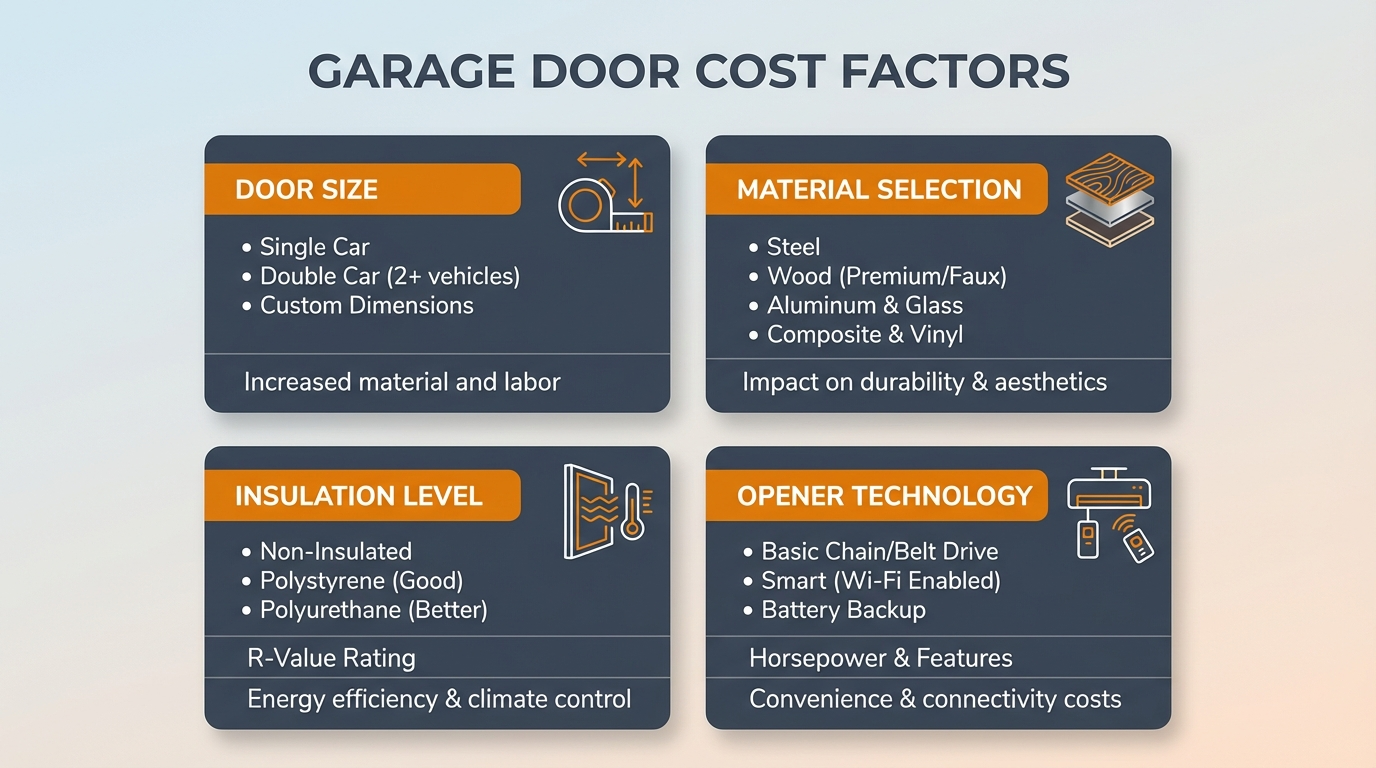
Several variables function as primary cost multipliers in any garage door project. Recognizing these allows you to prioritize spending where it matters most for your situation and identify areas where savings might be possible without sacrificing quality or safety.
Door size represents the most fundamental pricing factor. Single-car doors require less material, simpler hardware, and faster installation compared to double-car alternatives. Custom dimensions beyond standard sizing introduce additional manufacturing costs and potentially special-order delays.
Material selection dramatically shifts the price range. Steel remains the most popular choice due to its balance of affordability, durability, and design flexibility. Wood commands premium pricing but delivers unmatched aesthetic warmth. Aluminum, fiberglass, vinyl, and composite materials each occupy different price points with distinct advantages for specific applications.
Insulation level, opener technology, decorative elements, and window additions further customize both functionality and cost estimates. Each decision point creates compounding effects on the final investment required.
How Do Different Materials Compare in Price and Performance?
Selecting the right material involves balancing upfront cost estimates against long-term maintenance expenses, durability expectations, and aesthetic preferences. The following comparison highlights key considerations for the most common garage door materials available today.
| Material | Relative Cost | Durability | Maintenance Level | Insulation Potential |
|---|---|---|---|---|
| Steel | Low to Mid | High | Low | Excellent |
| Aluminum | Mid | Moderate | Low | Moderate |
| Wood | High | Moderate to High | High | Good |
| Composite | Mid to High | High | Low to Moderate | Good |
| Vinyl | Low to Mid | High | Very Low | Moderate |
| Fiberglass | Mid | Moderate | Low | Low to Moderate |
This pricing information represents general market positioning rather than specific dollar amounts, which fluctuate based on manufacturer, design complexity, and regional availability. Your budget planning should account for both initial purchase price and anticipated maintenance costs over the door’s expected lifespan.
What Makes Steel Garage Doors the Most Popular Choice?
Steel dominates the residential garage door market for compelling reasons. Modern steel doors offer exceptional versatility, appearing in styles ranging from traditional raised-panel designs to contemporary flush surfaces and carriage-house aesthetics that mimic wood grain textures.
Durability ranks among steel’s primary advantages. Quality steel doors resist warping, cracking, and insect damage that can plague wood alternatives. When properly finished with primer and paint, steel also resists rust effectively in most climates. The main vulnerability involves denting from impacts, though thicker gauge steel reduces this concern.
From a cost estimates perspective, steel provides the broadest range of price points. Basic single-layer steel doors represent the most affordable entry point into new garage door ownership. Adding insulation layers (double or triple-layer construction) increases both price and performance, creating options suitable for virtually any budget planning scenario.
When Does an Aluminum Door Make More Sense Than Steel?
Aluminum garage doors excel in specific applications where their unique properties outweigh potential drawbacks. Coastal properties benefit significantly from aluminum’s natural resistance to rust and corrosion—a critical advantage in salt-air environments that can quickly degrade steel finishes.
The lightweight nature of aluminum reduces strain on opener mechanisms and hardware, potentially extending the lifespan of these components. Modern aluminum doors often feature contemporary designs with glass panel inserts, creating striking visual statements that complement modern architectural styles.
However, aluminum dents more easily than steel, making it less suitable for households with active children or situations where accidental impacts occur frequently. Insulation capabilities generally fall below steel equivalents unless specifically engineered with thermal breaks and foam cores. These trade-offs influence whether aluminum represents appropriate budget planning for your circumstances.
Is a Wood Garage Door Worth the Premium Price?
Wood garage doors deliver aesthetic warmth and character that manufactured materials struggle to replicate authentically. For homes with traditional, craftsman, or rustic architectural styles, genuine wood creates visual harmony that enhances overall curb appeal and property value.
The premium pricing information associated with wood reflects both raw material costs and the craftsmanship required for quality construction. Custom designs, intricate panel work, and decorative hardware add further expense. Homeowners should anticipate cost estimates substantially higher than comparable steel alternatives.
Maintenance requirements represent wood’s primary ongoing cost consideration. Regular painting or staining protects against moisture damage, warping, and rot. Climate significantly affects maintenance frequency—humid or rainy environments demand more attention than dry climates. Those unwilling to commit to this upkeep schedule should consider composite alternatives that simulate wood appearance with reduced maintenance obligations.
How Does Composite Material Balance Aesthetics and Practicality?
Composite garage doors emerged as solutions for homeowners wanting wood aesthetics without wood maintenance headaches. These engineered materials combine wood fibers with resins and polymers to create surfaces that closely mimic natural wood grain while resisting moisture, insects, and temperature fluctuations.
Pricing information for composite doors typically falls between mid-range steel and genuine wood options. The premium over basic steel reflects the specialized manufacturing process and enhanced aesthetic appeal. However, savings materialize over time through dramatically reduced maintenance requirements compared to natural wood.
Quality varies significantly among composite products, making careful evaluation essential during your budget planning process. Premium composites offer excellent dimensional stability and long-lasting finishes, while budget options may fade, crack, or delaminate prematurely. Requesting warranty details and manufacturer reputation information helps identify products worthy of investment.
What Role Does Door Size Play in Overall Cost Estimates?
Standard garage door sizing follows established dimensions that manufacturers produce efficiently, keeping costs predictable. Single-car doors typically measure 8 to 10 feet wide by 7 to 8 feet tall. Double-car doors generally span 16 feet wide with similar height options.
Deviating from these standard dimensions triggers custom manufacturing requirements that substantially increase pricing information. Oversized doors for RV storage, non-standard heights for lifted vehicles, or unusual widths for specialized equipment all command premium cost estimates reflecting the additional engineering and production complexity involved.
Texas Pros Garage Doors frequently encounters situations where homeowners discover their openings require custom sizing only after initiating the replacement process. Professional measurement before finalizing budget planning prevents this surprise and ensures accurate quotes from the outset.
Not Sure What Size Door You Need?
Our technicians provide free professional measurements to ensure accurate quotes and perfect fit.
Why Does Insulation Increase Cost But Potentially Save Money?
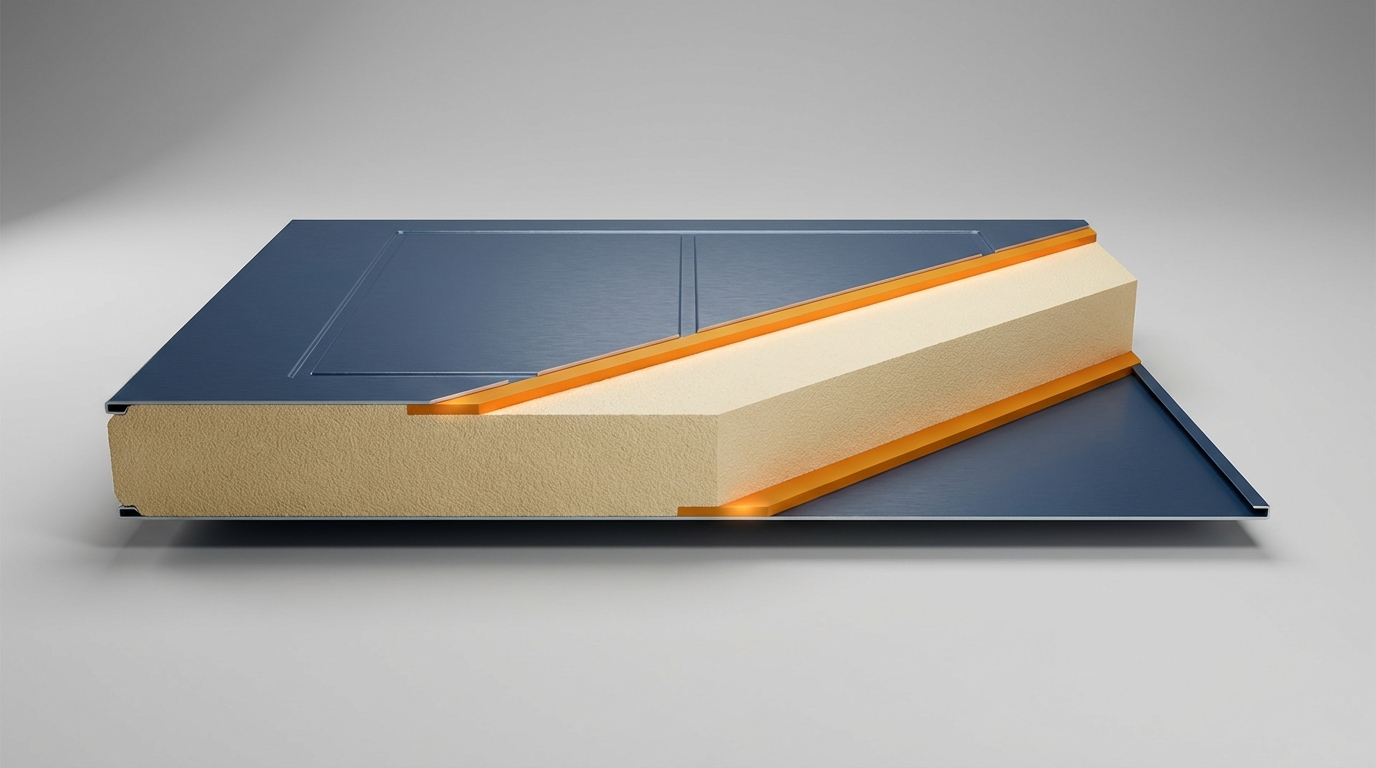
Insulated garage doors carry higher upfront cost estimates than non-insulated alternatives, yet this premium often delivers returns through energy savings, noise reduction, and enhanced durability. Understanding insulation ratings helps determine appropriate investment levels for your situation.
R-value measures thermal resistance—higher values indicate better insulation performance. According to guidance from the U.S. Department of Energy and ENERGY STAR program, appropriate insulation levels depend significantly on climate zone and how the garage space connects to living areas. Attached garages particularly benefit from insulation that reduces heat transfer affecting adjacent rooms.
Construction method influences insulation effectiveness. Single-layer doors offer minimal thermal protection. Double-layer doors sandwich insulation between steel skins. Triple-layer construction adds an interior steel or composite panel for maximum temperature control and structural rigidity. Each step up increases both performance and pricing information accordingly.
Comparing Single, Double, and Triple-Layer Construction
Single-layer steel doors suit detached garages in mild climates where temperature regulation matters less. These doors cost least but provide minimal insulation and tend to produce more noise during operation.
Double-layer construction adds polystyrene or polyurethane insulation behind the exterior steel panel. This configuration improves energy efficiency noticeably while strengthening the door against dents and impacts. Most homeowners find double-layer doors represent optimal value for typical residential applications.
Triple-layer premium doors feature full insulation sandwiched between two steel panels, creating the quietest, most energy-efficient, and most durable option available. Cost estimates reflect this enhanced construction, positioning triple-layer doors at the higher end of the pricing spectrum.
How Much Do Windows and Decorative Features Add to the Price?
Aesthetic customization transforms basic garage doors into architectural statements that complement your home’s style. Windows, decorative hardware, unique panel designs, and custom paint finishes all contribute to enhanced curb appeal—and elevated cost estimates.
Window inserts range from simple single-pane options to insulated glass with decorative grilles or frosted privacy treatments. Each upgrade tier increases pricing information while adding design flexibility. Placement patterns (single row, double row, or arched configurations) further customize appearance and cost.
Decorative hardware including handles, hinges, and accent pieces creates carriage-house aesthetics on modern sectional doors. These elements typically add modest amounts to total cost estimates while dramatically transforming visual impact. Custom paint colors beyond standard manufacturer offerings may incur additional charges depending on complexity and finish type.
What Should You Know About Garage Door Opener Costs?
Garage door openers represent a significant budget planning consideration, whether replacing an existing unit or adding automation to a manually operated door. Technology options span from basic functionality to sophisticated smart-home integration, with pricing information reflecting feature sets accordingly.
Chain-drive openers offer reliable, affordable operation but generate more noise than alternatives—a concern for living spaces adjacent to or above garages. Belt-drive systems reduce noise substantially through rubber belt mechanisms, commanding moderate premiums over chain alternatives. Screw-drive and direct-drive openers provide additional options with varying noise, speed, and maintenance characteristics.
Modern openers increasingly include DC motors (quieter with soft start/stop operation), battery backup systems (ensuring function during power outages), Wi-Fi connectivity (enabling smartphone monitoring and control), and smart home integration (compatibility with voice assistants and automation platforms). Each feature layer adds to the overall investment.
Mandatory Safety Features and Compliance Requirements
Federal regulations established through the Consumer Product Safety Commission mandate specific safety features on all garage door openers sold in the United States. According to official CPSC rules referencing the UL 325 standard, compliant openers must include automatic reversal mechanisms and entrapment protection systems.
Photoelectric sensors (commonly called electric eyes or safety eyes) represent the most common entrapment protection method. These devices project invisible beams across the door opening, triggering automatic reversal if the beam breaks during closing operation. Federal requirements outlined in 16 CFR 1211.6 and related sections ensure all new openers include these critical safety provisions.
When evaluating cost estimates, recognize that compliant safety features are non-negotiable components, not optional add-ons. Reputable installers like Texas Pros Garage Doors ensure all installations meet current safety standards, protecting both homeowners and technicians from liability issues.
What Our Customers Say
“The spring on my garage door broke and they were able to come out within an hour. Very professional service and fair pricing.”
“Excellent experience from start to finish. They helped me select the right door design and the installation was completed in one day.”
“My garage door spring broke on a Saturday morning. They came out the same day and fixed it quickly. Great service!”
“Professional commercial garage door repair. They understood the urgency for our business and minimized our downtime.”
How Does Professional Installation Affect Total Project Cost?

Labor represents a substantial portion of most garage door replacement projects. Professional installation ensures proper function, safety compliance, and warranty validity—making it essential rather than optional for most homeowners.
Installation complexity varies based on several factors. Straightforward replacements using existing tracks and openings proceed quickly. Projects requiring new track systems, structural modifications, opener installation, or old-door disposal demand more time and expertise. According to data from the U.S. Bureau of Labor Statistics, wages for maintenance and repair workers provide context for understanding labor cost components in your region.
Texas Pros Garage Doors emphasizes transparency in installation pricing. Detailed quotes should itemize labor separately from materials, allowing homeowners to understand exactly what they are paying for and compare proposals meaningfully.
What Additional Costs Might Surprise Unprepared Homeowners?
Beyond door and installation pricing information, several ancillary expenses can affect total project cost estimates. Identifying these potential additions during budget planning prevents unwelcome surprises after work begins.
Old door removal and disposal frequently incurs separate charges. Some installers include this service, while others list it as an optional add-on. Clarify disposal handling and associated fees when requesting quotes.
Structural repairs to damaged frames, rotted wood, or deteriorated weather sealing may prove necessary once the old door comes down. Experienced installers can often identify potential issues during initial assessments, but hidden damage sometimes appears only after removal.
Electrical work for new opener installations or upgrades to existing wiring falls outside standard garage door installation scope. If your project requires electrical modifications, budget separately for licensed electrician services.
Do Wind-Rated Doors Justify Their Higher Cost in Storm-Prone Areas?
Homeowners in hurricane zones and high-wind regions face additional considerations that significantly impact garage door cost estimates. Wind-rated doors engineered to withstand extreme weather events carry premium pricing but deliver essential protection.
According to the National Weather Service hurricane preparedness guidance, garage doors represent one of the most vulnerable points in residential structures during severe storms. Failure of an inadequately rated door can lead to catastrophic pressure changes inside the home, potentially causing roof failure and extensive structural damage.
Building codes in wind-prone areas increasingly mandate doors meeting specific wind-load ratings verified through testing standards like ASTM E330 or ANSI/DASMA 108. The Door and Access Systems Manufacturers Association (DASMA) explains that wind loads are determined using ASCE 7 engineering standards, with required ratings varying based on geographic location and local code requirements.
FEMA publications on high-wind construction guidance emphasize that garage door reinforcement or replacement with properly rated units represents a critical home hardening measure. While these doors cost more initially, they provide essential protection that insurance considerations and peace of mind often justify.
Are Permits Required, and How Do They Affect Budget Planning?
Permit requirements for garage door replacement vary by jurisdiction. Some municipalities require permits for any structural modifications, while others exempt straightforward like-for-like replacements. Researching local building code requirements before finalizing cost estimates prevents compliance issues.
Permit fees add modest amounts to project costs but carry significant importance. Permitted work receives inspection ensuring code compliance, protecting homeowner interests and maintaining property value. Unpermitted work can create complications during future property sales or insurance claims.
Professional installers familiar with local requirements typically advise on permit necessity and may handle permit applications as part of their services. Texas Pros Garage Doors assists customers in understanding these requirements and ensuring all work meets applicable codes and standards.
What Return on Investment Can You Expect from a New Garage Door?
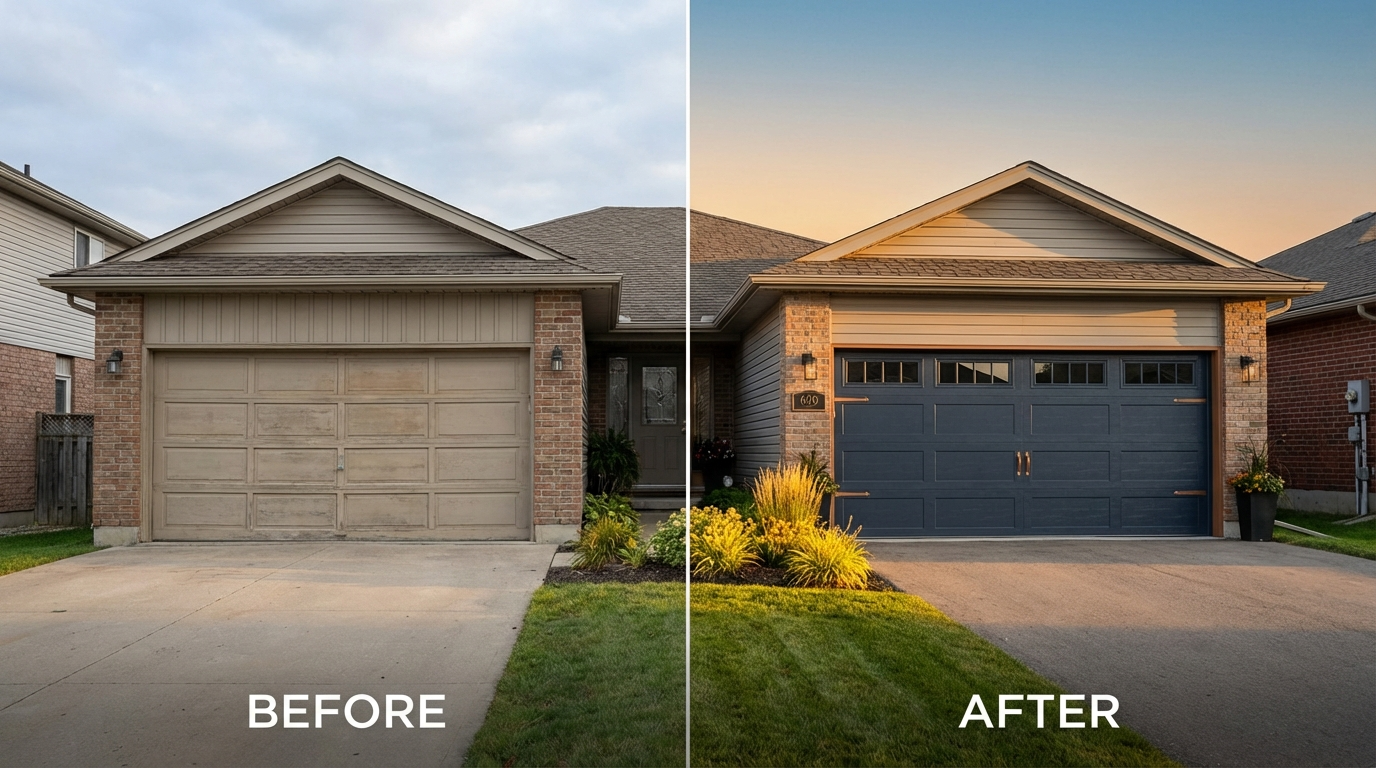
Garage door replacement consistently ranks among the highest-ROI home improvement projects according to real estate industry analyses. This favorable return stems from the dramatic curb appeal impact combined with relatively moderate project costs compared to major renovations.
Research cited by Zillow in their coverage of home improvements indicates that garage door replacement can recoup a substantial percentage of costs at resale—often outperforming more expensive projects like kitchen remodels or room additions in terms of percentage return. The visual prominence of garage doors on front-facing home exteriors drives much of this value perception.
Beyond resale considerations, new garage doors deliver daily benefits including improved security, reduced energy costs (with insulated models), quieter operation, and enhanced reliability. These functional improvements provide ongoing value regardless of future selling plans, making garage door cost guide investments particularly worthwhile for homeowners planning extended occupancy.
Google Review
“Called on a Sunday evening when my opener stopped working. They came out the same night and got everything working again. Outstanding service!”
How Can You Ensure Accurate and Comparable Cost Estimates?
Obtaining meaningful quotes requires systematic approaches that enable true comparison between competing offers. Vague or incomplete estimates create confusion and potential for unexpected charges once work begins.
Request itemized proposals specifying door model and specifications, hardware and track components, opener details (if included), installation labor, removal and disposal services, warranty terms, and any anticipated additional work. This detail enables legitimate comparison between providers offering different products or service levels.
Ask about warranty coverage for both products and labor. Manufacturer warranties protect against defects in door and opener components, while installer warranties cover workmanship issues that may emerge after completion. Understanding these protections helps evaluate true value beyond initial pricing information.
| Quote Component | Questions to Ask |
|---|---|
| Door Specifications | Material, insulation R-value, gauge thickness, warranty length |
| Hardware | Track system, springs, rollers, hinges included? |
| Opener | Brand, drive type, horsepower, smart features, warranty |
| Installation | Removal included? Disposal fees? Permit handling? |
| Timeline | Lead time for materials? Installation duration? |
| Payment Terms | Deposit required? Balance due when? Financing options? |
Common Mistakes That Inflate Garage Door Project Costs
Avoiding predictable errors saves money and frustration throughout the replacement process. Awareness of these common pitfalls helps homeowners navigate budget planning more effectively.
Choosing based solely on lowest price often backfires when inferior products require premature replacement or incur higher maintenance costs. Evaluating total cost of ownership including durability, warranty, and expected lifespan provides more accurate value assessment.
Neglecting to verify measurements before ordering causes delays and potential restocking fees. Professional measurement services eliminate this risk and ensure ordered products fit correctly.
Attempting DIY installation on spring systems creates serious safety hazards. Garage door springs store tremendous tension and cause injuries requiring emergency medical treatment when mishandled. Professional installation protects against these risks while ensuring proper operation and warranty validity.
Ignoring opener compatibility when replacing only the door can result in operational problems or premature opener failure. Matching door weight to opener capacity ensures reliable long-term performance.
Questions Worth Asking Before Signing Any Contract
Preparation for contractor conversations maximizes the information you receive and demonstrates informed buyer status. These questions help evaluate both product quality and installer reliability.
How long has your company installed garage doors in this area? Local experience indicates familiarity with regional building codes, climate considerations, and common installation challenges.
What specific door model are you recommending, and why does it suit my needs? Quality installers explain product recommendations based on your stated priorities rather than simply pushing highest-margin options.
Can you provide references from recent similar projects? Willingness to share customer contacts suggests confidence in work quality and customer satisfaction.
What happens if problems arise after installation? Understanding warranty claim processes and service response commitments before signing protects against future frustration.
Frequently Asked Questions About Garage Door Costs
Ready to Get Accurate Pricing for Your Garage Door Project?
Understanding the factors within this garage door cost guide prepares you for productive conversations with our installation professionals. Get your personalized quote today.
(210) 469-9003
Get Your Free Quote
✓ No Hidden Fees
✓ Same-Day Estimates
Every garage door project involves unique circumstances affecting final cost estimates. Professional assessment of your specific situation—including measurement verification, existing hardware evaluation, and code compliance review—provides the accurate pricing information necessary for informed decisions.
Are you ready to explore options tailored to your home, budget, and priorities? Texas Pros Garage Doors provides detailed consultations helping homeowners throughout the San Antonio area understand their choices and make confident investments. Contact our team today to schedule your personalized assessment and receive transparent pricing for your garage door project.

Recent Comments