
Estimated reading time: 12 minutes
Your garage door opener works harder than almost any other mechanical system in your home. It cycles up and down multiple times daily, often in extreme Texas heat, while keeping your family safe and your belongings secure. Yet most homeowners give little thought to the type of opener they have until something goes wrong. Understanding garage door opener types before making a purchase decision can save you money, reduce frustration, and ensure your system performs reliably for years to come.
This guide breaks down the major categories of openers available today. You will learn how each type operates, where it excels, and where it falls short. Beyond the basics, you will discover the key factors that influence which opener suits your specific situation, from noise concerns to safety features to smart home integration. Whether you are building a new home, replacing an aging unit, or simply researching options, the information here will help you make a confident choice.
- Chain-drive openers offer the best value for detached garages and heavy doors, while belt-drive systems provide quiet operation for attached garages with living spaces above.
- Wall-mount openers free up ceiling space and work well for high ceilings or unusual track configurations, though they come at a premium price.
- All openers sold since 1993 must include auto-reverse and safety sensor features to meet federal safety requirements.
- Smart home connectivity has become standard in mid-range openers, offering remote monitoring, smartphone control, and integration with voice assistants.
- Professional installation ensures proper safety adjustments, maintains warranty coverage, and prevents costly mistakes with high-tension spring components.
▼
- What Exactly Are Garage Door Opener Types and Why Do They Matter?
- How Does a Chain-Drive Opener Work?
- Is a Belt-Drive Opener Worth the Extra Cost?
- When Should You Consider a Screw-Drive Opener?
- What Makes Direct-Drive and Wall-Mount Openers Different?
- How Do You Determine the Right Horsepower for Your Door?
- Why Are Safety Features Non-Negotiable?
- What Mistakes Do Homeowners Make When Choosing an Opener?
- How Important Is Smart Home Connectivity?
- Does Battery Backup Really Matter in Texas?
- Should You Attempt DIY Installation?
- What Regular Maintenance Extends Opener Life?
- When Should You Call a Professional Instead of Troubleshooting?
- Frequently Asked Questions About Garage Door Openers
Our San Antonio technicians will evaluate your garage door system and recommend the perfect opener for your needs and budget.
(210) 469-9003
Schedule Free Assessment
4.8 Stars from 70+ Reviews
24/7 Emergency Service
What Exactly Are Garage Door Opener Types and Why Do They Matter?
When people search for garage door opener types, they usually want to understand two distinct things. First, they want to know about drive mechanisms, which refers to how the motor moves the door. Second, they want to understand mounting styles, which describes where the unit is physically installed. Both factors significantly impact performance, noise levels, maintenance requirements, and cost.
Drive type affects how smoothly and quietly your door operates. A chain-drive system, for example, uses metal links that create more noise than a rubber belt. Mounting style determines how much ceiling space you retain and whether installation is even possible given your garage configuration. Some homes with high ceilings or unusual track layouts require wall-mounted units rather than traditional ceiling-mounted ones.
How Does a Chain-Drive Opener Work?
Chain-drive openers represent the oldest and most common technology still in widespread use. A metal chain, similar to a bicycle chain, runs along a rail mounted to your ceiling. When activated, the motor turns a sprocket that moves the chain, which in turn pulls a trolley connected to the door. This simple mechanical arrangement has proven remarkably durable over decades of use.
The primary advantage of chain-drive systems is their ability to handle heavy doors without strain. If you have a solid wood door, a heavily insulated steel door, or an oversized opening, chain-drive units deliver the pulling power you need. They also tend to cost less than other options, making them attractive for budget-conscious homeowners. According to cost guides from This Old House, chain-drive models typically fall at the lower end of the price spectrum.
The tradeoff is noise. Metal grinding against metal creates vibration and sound that travels through the rail, into the ceiling joists, and potentially into living spaces above or adjacent to the garage. If your garage shares a wall with a bedroom or home office, the rumble of a chain-drive opener may become an annoyance.
Is a Belt-Drive Opener Worth the Extra Cost?
Belt-drive openers function almost identically to chain-drive models, with one crucial difference. Instead of a metal chain, they use a reinforced rubber or fiberglass belt. This belt glides along the rail with significantly less friction, resulting in dramatically quieter operation. Many homeowners describe the difference as going from a loud motorcycle to a quiet electric car.
The smoother operation also means less vibration transmitted through your home structure. Families with bedrooms above the garage or adjacent living spaces frequently choose belt-drive systems specifically for this reason. The reduced mechanical stress can also extend the lifespan of certain components, though both chain and belt systems generally last many years with proper maintenance.
Belt-drive openers typically cost more upfront. However, for homes where quiet operation matters, the investment often pays dividends in daily comfort. Many premium belt-drive models also include advanced features like smartphone connectivity and battery backup as standard equipment.
When Should You Consider a Screw-Drive Opener?
Screw-drive openers take a different mechanical approach. Instead of a chain or belt, they use a threaded steel rod. The motor rotates this rod, and a trolley threaded onto it moves along the rail as the rod turns. This design means fewer moving parts overall, which can translate to less maintenance over time.
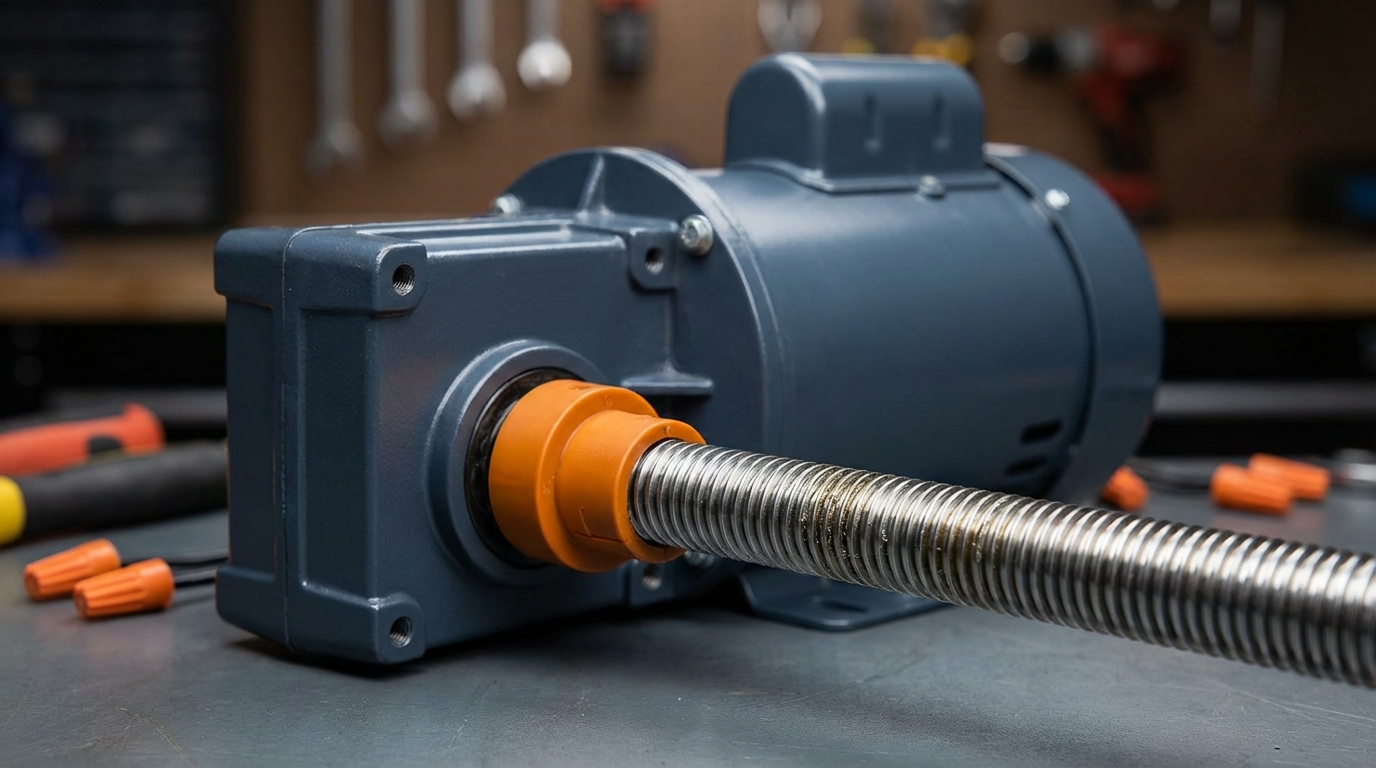
These units deliver solid lifting power and operate faster than many chain or belt systems. The reduced component count appeals to homeowners who prefer simpler mechanical systems. However, screw-drive openers fall somewhere in the middle regarding noise. They are generally quieter than chain-drive models but louder than belt-drive alternatives.
One consideration specific to screw-drive systems is temperature sensitivity. The threaded rod can expand or contract with significant temperature swings, potentially affecting performance. In most of Texas, this rarely causes problems, but homeowners in regions with extreme seasonal variations should factor this into their decision.
What Makes Direct-Drive and Wall-Mount Openers Different?
Direct-drive openers represent a newer approach where the motor itself moves along a stationary chain embedded in the rail. Because only one moving part exists, these systems operate extremely quietly and require minimal maintenance. Some manufacturers claim their direct-drive units are the quietest available, and independent testing generally supports this assertion.
Wall-mount openers, sometimes called jackshaft openers, take an entirely different approach to the installation location. Instead of mounting on the ceiling, these units attach to the wall beside the garage door. They connect directly to the torsion bar and rotate it to raise and lower the door. This configuration frees up valuable ceiling space for storage, lighting, or even car lifts.
Wall-mount systems work exceptionally well in garages with high ceilings, unusual track configurations, or limited headroom. They are also ideal when homeowners want to maximize overhead storage. The downside is cost. Wall-mount openers typically represent the most expensive option, and they require a torsion spring system rather than extension springs.
| Opener Type | Noise Level | Best For | Price Range |
|---|---|---|---|
| Chain-Drive | Loudest | Detached garages, heavy doors, budget buyers | Lower |
| Belt-Drive | Quiet | Attached garages, bedrooms above garage | Mid to Higher |
| Screw-Drive | Moderate | Balance of power and simplicity | Mid-Range |
| Direct-Drive | Quietest | Noise-sensitive homes, low maintenance preference | Higher |
| Wall-Mount | Very Quiet | High ceilings, overhead storage needs | Highest |
How Do You Determine the Right Horsepower for Your Door?
Horsepower ratings indicate how much lifting force an opener can deliver. However, many homeowners misunderstand what these numbers mean in practice. A properly balanced garage door requires very little force to move. The springs do most of the heavy lifting, and the opener simply guides the motion. If your door feels heavy to lift manually, the springs likely need adjustment rather than a more powerful opener.
Standard single-car doors typically work well with entry-level motors. Double-car doors and heavily insulated models benefit from more robust units. Oversized doors or those made from solid wood may require the highest power ratings available. Selecting adequate horsepower prevents the motor from straining, which extends its operational life and reduces the likelihood of mid-cycle failures.
| Door Type | Recommended Horsepower | Notes |
|---|---|---|
| Single, uninsulated | 1/2 HP or equivalent DC | Most common residential application |
| Single, insulated | 1/2 to 3/4 HP | Added weight from insulation |
| Double, standard | 3/4 HP | Larger surface area, more weight |
| Double, insulated or wood | 1 HP or higher | Heavy doors benefit from extra power |
Why Are Safety Features Non-Negotiable?
Modern garage door openers include critical safety mechanisms that protect your family and property. Since 1993, federal regulations have required all openers sold in the United States to include auto-reverse functionality and secondary safety devices. The Consumer Product Safety Commission implemented these requirements after documenting serious injuries and fatalities from doors that failed to reverse when contacting objects or people.
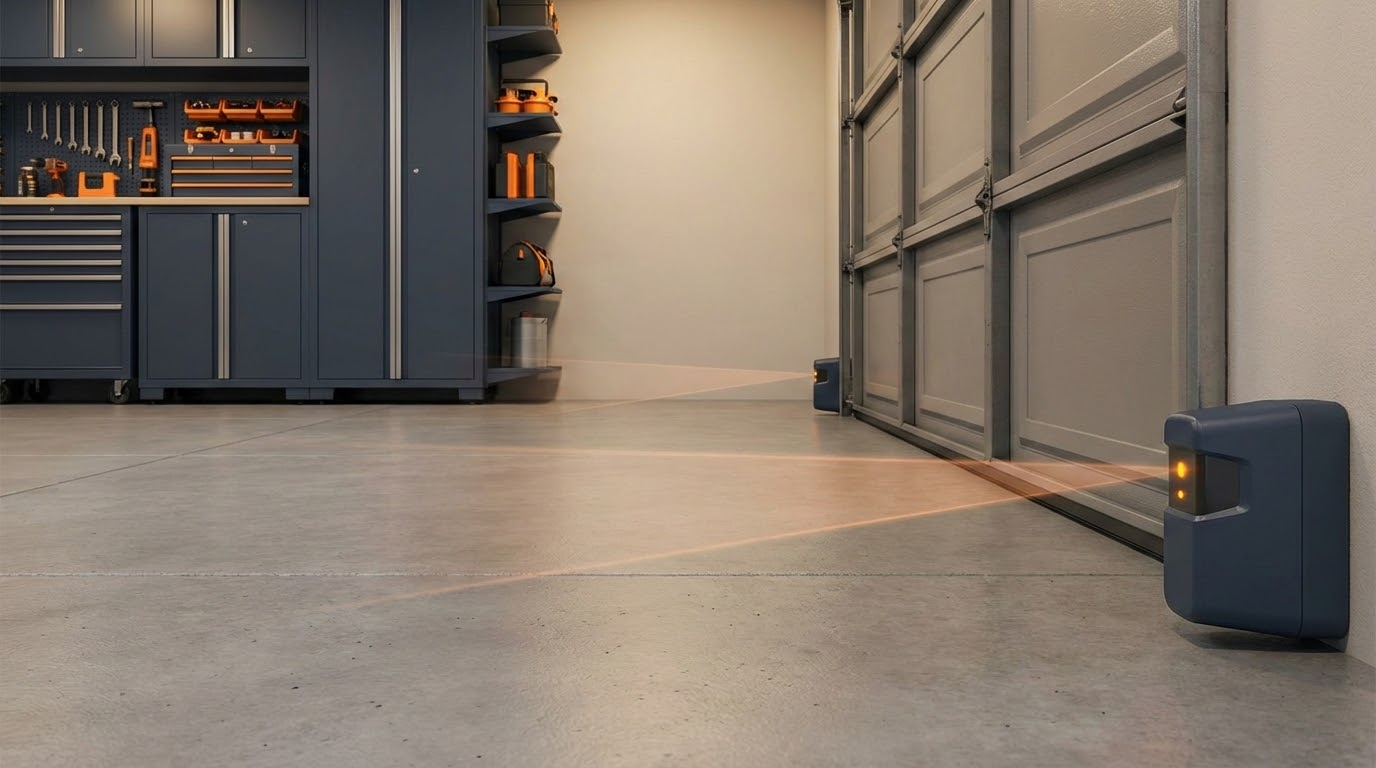
Auto-reverse mechanisms work through two complementary systems. Mechanical sensors detect resistance when the door contacts an obstacle and immediately reverse direction. Photoelectric sensors, often called electric eyes, project an invisible beam across the door opening. If anything breaks this beam while the door is closing, the system stops and reverses automatically. These redundant safety layers have dramatically reduced garage door injuries since their introduction.
Rolling code technology addresses security concerns. Older openers used fixed radio codes that thieves could capture and replay to open your door. Modern systems generate a new code with each activation, making code grabbing virtually impossible. If your current opener predates these safety innovations, replacement represents a significant upgrade in both safety and security.
If your opener lacks modern safety sensors or rolling code technology, it may be time for an upgrade. Our technicians can inspect your system and recommend solutions.
What Mistakes Do Homeowners Make When Choosing an Opener?
The most common mistake involves focusing exclusively on price. While budget considerations matter, the cheapest unit rarely represents the best value. An inexpensive opener installed in an attached garage may generate enough noise to disrupt sleep and reduce quality of life. The savings disappear quickly when factored against years of daily annoyance.
Another frequent error involves mismatching opener capability to door weight. Homeowners sometimes purchase basic units for heavy doors, assuming all openers perform similarly. The motor then strains with every cycle, shortening its lifespan and increasing the likelihood of failure. Conversely, some buyers over-specify, purchasing industrial-grade equipment for lightweight doors and paying for capacity they will never use.
Ignoring spring condition ranks among the costliest mistakes. When springs weaken or break, the door becomes much heavier. Some homeowners respond by purchasing more powerful openers rather than addressing the actual problem. This approach accelerates wear on the new unit and fails to resolve the underlying issue. Professional technicians at Texas Pros Garage Doors routinely encounter situations where proper spring adjustment would have prevented premature opener failure.
How Important Is Smart Home Connectivity?
Smart garage door features have moved from luxury to mainstream. Most mid-range and premium openers now include Wi-Fi connectivity that enables smartphone control. You can open or close your door from anywhere, receive alerts when the door activates, and even grant temporary access to delivery drivers or service providers.
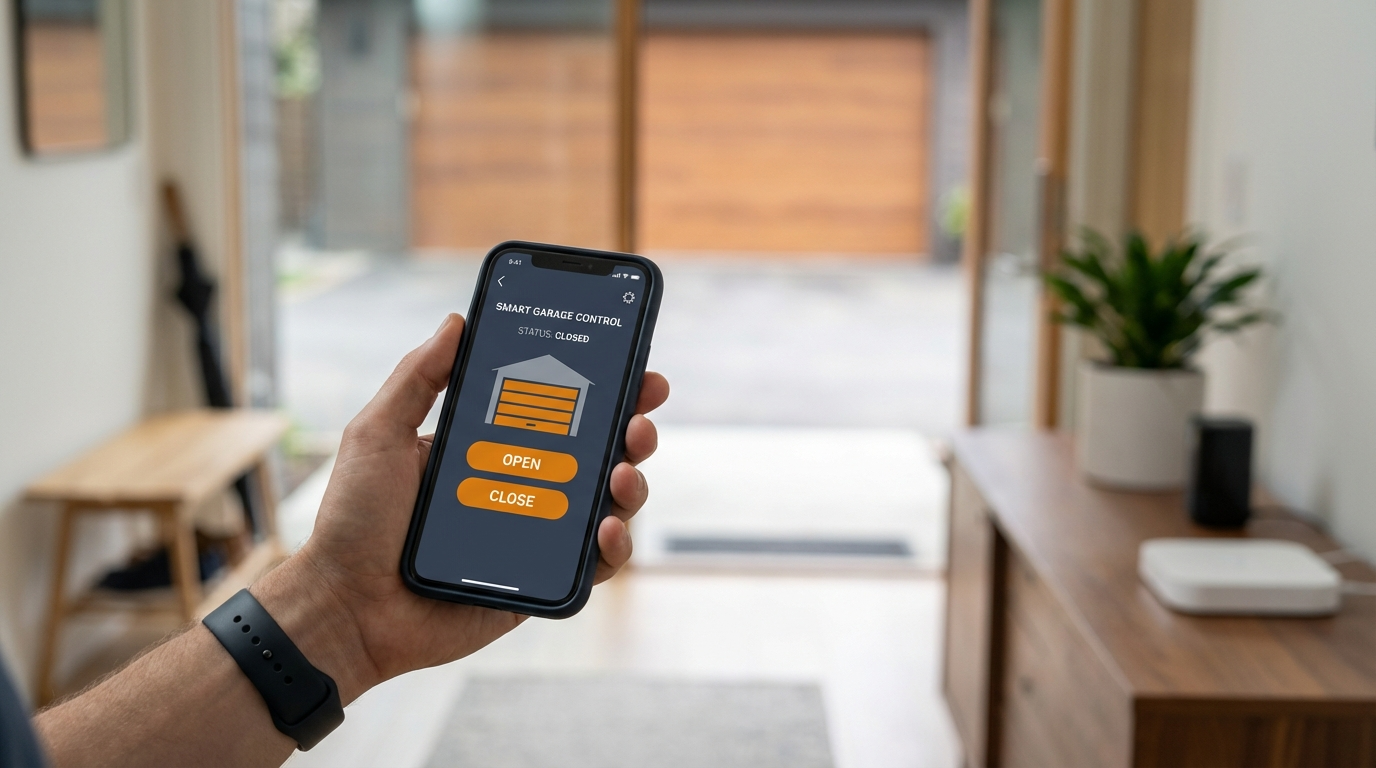
Integration with broader smart home platforms adds additional functionality. Voice control through systems like Alexa or Google Assistant means you can operate your garage door without touching a button. Geofencing features can automatically close your door when you leave home and open it as you approach. Scheduling capabilities let you ensure the door closes at a specific time each night, eliminating worry about whether you remembered to close it.
The practical benefits extend beyond convenience. Remote monitoring provides peace of mind, especially when traveling. The ability to check door status and control it from anywhere reduces the anxiety many homeowners feel after leaving home. For families with teenagers who may forget to close the garage, automatic scheduling and alerts prove particularly valuable.
What San Antonio Homeowners Say
“The spring on my garage door broke and they were able to come out within an hour. Very professional service and fair pricing.”
“Excellent experience from start to finish. They helped me select the right door design and the installation was completed in one day.”
“My garage door spring broke on a Saturday morning. They came out the same day and fixed it quickly. Great service!”
“Professional commercial garage door repair. They understood the urgency for our business and minimized our downtime.”
Does Battery Backup Really Matter in Texas?
Power outages happen more frequently than many homeowners realize. Severe storms, grid issues during peak demand, and infrastructure problems can leave your garage door inoperable precisely when you need it most. Battery backup systems ensure your opener continues functioning during outages, allowing normal entry and exit.
Without battery backup, you must use the manual release to disconnect the door from the opener and operate it by hand. This process requires physical effort and can be confusing for family members unfamiliar with the procedure. For elderly homeowners or those with mobility limitations, manual operation may not be practical.
Texas Pros Garage Doors recommends battery backup for any home where reliable garage access matters. The feature adds modest cost but delivers significant peace of mind. Many premium openers include battery backup as a standard feature, eliminating the need for separate purchase and installation.
Should You Attempt DIY Installation?
Online tutorials make garage door opener installation look straightforward. In reality, the process involves significant complexity and genuine safety risks. Garage door springs store tremendous energy. Improper handling can cause serious injury or death. Even experienced DIY enthusiasts should exercise extreme caution around these components.
Professional installation ensures proper mounting, correct alignment, and appropriate safety adjustments. Technicians verify that the opener matches your door weight, that the rail is level, and that the safety sensors function correctly. They also test the auto-reverse mechanism and adjust force settings to meet federal safety requirements. These details directly impact both safety and longevity.
Warranty considerations also favor professional installation. Many manufacturers require professional installation to maintain warranty coverage. DIY installation may void your warranty, leaving you responsible for repair or replacement costs that would otherwise be covered. The modest cost of professional installation often pays for itself through warranty protection alone.
What Regular Maintenance Extends Opener Life?
Monthly safety testing takes only minutes and can prevent tragedy. The Consumer Product Safety Commission recommends placing a two-inch block on the floor in the door path and activating the closer. The door should reverse immediately upon contact. If it does not, the opener requires adjustment or repair.
Visual inspection of the photoelectric sensors ensures they remain aligned and unobstructed. These sensors should face each other directly across the door opening. Dirt, spider webs, or physical misalignment can prevent proper function. A quick wipe with a clean cloth and visual confirmation of alignment maintains reliable operation.
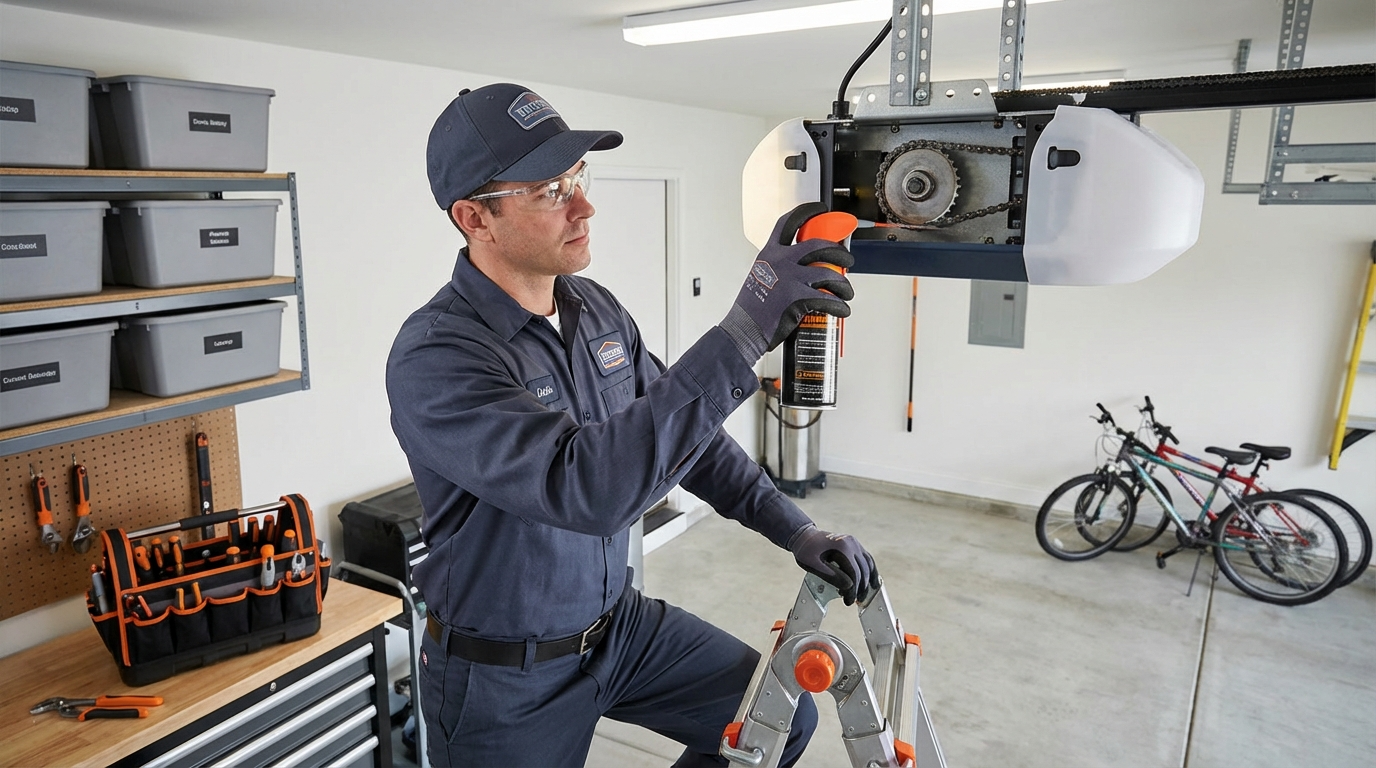
Lubrication of moving parts follows manufacturer recommendations. The chain or screw mechanism, hinges, and rollers benefit from periodic application of appropriate lubricant. Avoid using WD-40 or similar products on the rail, as these can attract dust and create buildup. Silicone-based lubricants typically work best for garage door applications.
When Should You Call a Professional Instead of Troubleshooting?
Certain symptoms indicate problems beyond homeowner repair capability. Grinding or scraping noises suggest mechanical wear or misalignment that requires professional diagnosis. A door that reverses unexpectedly or fails to reverse when it should indicates safety system malfunction. Visible damage to springs, cables, or the opener unit itself demands expert attention.
Springs deserve special mention. These high-tension components can cause severe injury when mishandled. Homeowners should never attempt spring adjustment or replacement. Even seemingly simple tasks like disconnecting a stuck door can become dangerous if springs are damaged or improperly tensioned. Professional technicians have the training and equipment to work safely with these components.
Texas Pros Garage Doors provides comprehensive service for all garage door opener types. Their technicians assess the complete system, identifying issues that might escape casual observation. This thorough approach prevents small problems from becoming expensive failures and ensures your system operates safely and efficiently.
| Symptom | Possible Cause | DIY Safe? | Action |
|---|---|---|---|
| Door reverses unexpectedly | Sensor misalignment or obstruction | Yes | Clean and realign sensors |
| Grinding noise | Worn gears or chain | No | Call professional |
| Door feels heavy | Spring tension loss | No | Call professional immediately |
| Remote works inconsistently | Battery or antenna issue | Yes | Replace battery, check antenna |
| Door does not reverse on contact | Force setting or safety system failure | No | Call professional |
“Called on a Sunday evening when my opener stopped working. They came out the same night and got everything working again. Outstanding service!”
Frequently Asked Questions About Garage Door Openers
From quiet belt-drive systems to heavy-duty chain drives, our team will help you choose the right solution for your specific needs and budget.
(210) 469-9003
Get Expert Recommendations
All Major Brands
Warranty Included
Selecting the right garage door opener involves balancing multiple factors including noise tolerance, budget constraints, door specifications, and desired features. The information in this guide provides a foundation for making an informed decision, but every home presents unique considerations. Whether you are replacing a failing unit, upgrading an outdated system, or outfitting a new construction project, professional guidance ensures you get the right solution.
What questions do you still have about which opener type fits your situation? The team at Texas Pros Garage Doors is ready to help you evaluate your options and recommend solutions tailored to your specific needs. Reach out through the contact page to schedule a consultation and take the next step toward a quieter, safer, more reliable garage door system.

Our Garage Door Services in San Antonio
Garage Door Repair | New Garage Door Installation | Spring Replacement | Panel Replacement | Rollers Replacement | Openers Service | Fix Broken Cables | Fix Torsion Springs | Fix Bent Track
Contact us or call (210) 469-9003 for a free estimate!
Recent Comments