
Estimated reading time: 12 minutes
Your garage door stands as one of the largest moving components of your home, serving as a primary entry point that opens and closes thousands of times each year. This constant motion, combined with exposure to shifting temperatures, humidity, and seasonal weather extremes, places significant demands on every part of the system. Without proper attention throughout the year, minor issues can escalate into costly repairs or even safety hazards. Seasonal garage door care represents a proactive approach to maintaining this essential home feature, helping you extend the lifespan of your system and ensure safe operation for your family.
Key Takeaways
- Spring maintenance should focus on post-winter recovery including lubrication, safety testing, and visual inspections for wear and damage.
- Summer heat and humidity accelerate weatherstripping degradation, making seal assessment critical for energy efficiency.
- Fall tune-ups prepare your garage door for cold weather operation by addressing lubrication needs and checking cable and spring integrity.
- Professional inspection at least once annually catches developing problems and addresses high-tension components safely.
- Monthly safety feature testing of auto-reverse mechanisms and photo-eye sensors prevents serious accidents and injuries.
▼
- Spring Cleaning and Inspection: Shaking Off Winter’s Chill
- Summer Preparation: Guarding Against Heat and Humidity
- What Should a Seasonal Maintenance Checklist Include?
- Fall Tune-Up: Preparing for Cooler Weather
- How Does Cold Weather Affect Garage Door Performance?
- Winter Protection: Battling the Cold
- What Mistakes Do Homeowners Commonly Make?
- How Often Should Professional Maintenance Be Scheduled?
- Why Year-Round Maintenance Matters
- When to Call Texas Pros Garage Doors
- Frequently Asked Questions
Need Seasonal Garage Door Maintenance?
Our expert technicians provide comprehensive inspections and tune-ups to keep your garage door running smoothly year-round.
(210) 469-9003
Schedule Your Inspection
Serving San Antonio Since 2006
Same-Day Service
Spring Cleaning and Inspection: Shaking Off Winter’s Chill
As temperatures begin to rise after the cold months, spring presents an ideal opportunity to assess how your garage door weathered the winter. Cold conditions can stress components in ways that only become apparent once you conduct a thorough inspection. Taking time in early spring to evaluate your system sets the foundation for smooth operation throughout the warmer months ahead.
Visual Inspection for Wear and Tear
Begin by examining all visible components of your garage door system. Look carefully at the cables for any signs of fraying or damage. Check the rollers for cracks or chips that may have developed during winter operation. Inspect metal parts for rust spots, particularly around hinges and brackets where moisture tends to accumulate. Cold weather causes metal to contract, which can loosen connections and accelerate wear on moving parts. Identifying these issues early allows for timely repairs before they worsen.
Lubrication for Smooth Operation
Proper lubrication stands as one of the most important maintenance tasks you can perform. Moving parts like rollers, hinges, and springs require adequate lubrication to minimize friction and operate quietly. Use a silicone-based or lithium-based grease specifically designed for garage door applications. Standard WD-40 should be avoided as a lubricant because it functions primarily as a solvent rather than providing lasting protection.
Under normal conditions, lubricating your garage door every four to six months maintains optimal performance. However, homes in humid or dusty climates, or those with heavy garage door usage, may benefit from lubrication every three to four months. Temperature fluctuations directly affect lubricant viscosity, which means the grease applied in fall may have degraded significantly by spring. Always wipe away excess lubricant after application to prevent attracting dust and debris.
Testing the Auto-Reverse Safety Feature
The auto-reverse mechanism represents a critical safety feature that prevents the door from closing on people, pets, or objects. Federal regulations have required this feature on all garage door openers manufactured after January 1, 1993. To test the mechanism, place a two-by-four piece of wood flat on the ground in the door’s path. Activate the door to close. Upon contact with the wood, the door should immediately reverse direction and return to the open position.
If your door fails to reverse, stop using the automatic opener immediately and contact a professional for inspection. This test should be performed monthly to ensure continued safe operation. A malfunctioning auto-reverse system poses serious risks and requires prompt attention.
Checking and Cleaning Photo Eye Sensors
Photo eye sensors located near the bottom of the door tracks provide an additional layer of safety by detecting obstructions in the door’s path. These sensors can become dirty, misaligned, or obstructed over time. Gently clean the sensor lenses with a soft cloth and verify that both sensors face each other directly. Misalignment or dirty lenses can cause the door to refuse to close or to reverse unexpectedly during operation.
Summer Preparation: Guarding Against Heat and Humidity
Summer brings its own challenges to garage door maintenance. High temperatures, intense UV exposure, and humidity can degrade certain components faster than during milder seasons. Preparing your garage door for summer conditions helps prevent energy loss and keeps the system running efficiently during the hottest months.
Assessing Weatherstripping and Seals
Weatherstripping and seals around your garage door serve multiple important functions. They block drafts, prevent moisture intrusion, and keep pests from entering your garage. Summer heat and UV rays accelerate the breakdown of rubber and vinyl materials, causing them to become brittle, cracked, or compressed. Inspect the bottom seal and the weatherstripping around the door perimeter for visible damage.
A simple test reveals whether your seals need replacement. With the door closed and the garage lights off during daytime, check for any daylight visible around the door frame. Visible light indicates gaps that allow air exchange, leading to energy loss and potential pest entry. The U.S. Department of Energy recommends replacing compromised weatherstripping promptly to maintain energy efficiency.
Tightening Loose Hardware
The vibrations created by repeated garage door operation gradually loosen nuts, bolts, and screws throughout the system. Summer is an excellent time to check all fasteners and tighten any that have worked loose. Pay particular attention to the brackets that secure the tracks to the walls and ceiling, as well as the hardware connecting the door sections.
Temperature extremes cause metal components to expand and contract, which can contribute to loosening over time. A socket wrench and a few minutes of inspection can prevent more significant problems from developing. However, never attempt to adjust the bottom bracket connected to the lift cables, as this component remains under extreme tension and requires professional handling.
Inspecting Tracks and Rollers
Examine the tracks on both sides of the door for proper alignment and cleanliness. Tracks should be plumb on the vertical sections and level on the horizontal portions. Remove any accumulated dirt, debris, or rust that could impede smooth movement. Check that rollers move freely within the tracks without binding or excessive wobbling. Worn or cracked rollers should be replaced to prevent further damage to the track system.
What Should a Seasonal Maintenance Checklist Include?
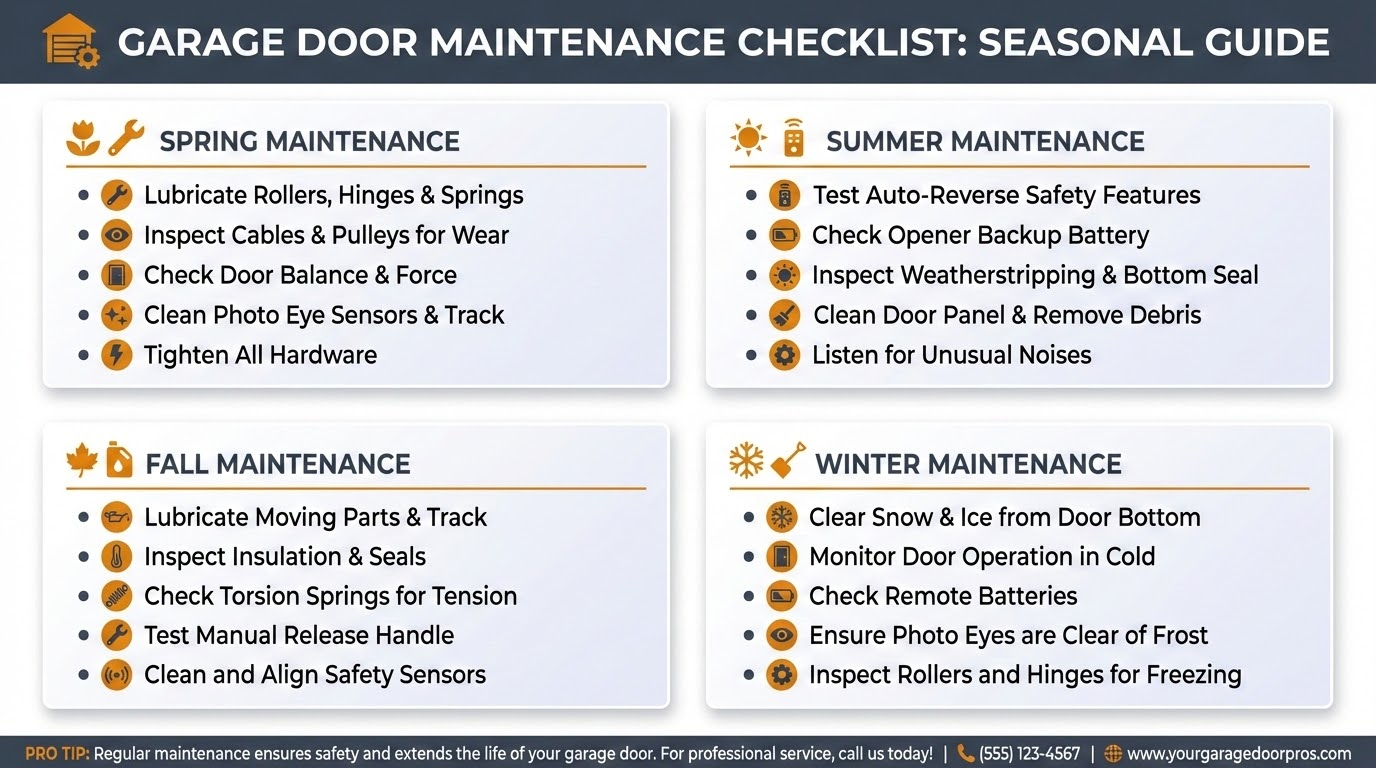
Organizing your maintenance tasks into a structured checklist ensures nothing gets overlooked. The following table provides a seasonal breakdown of essential maintenance activities.
| Season | Primary Focus Areas | Key Tasks |
|---|---|---|
| Spring | Post-winter recovery | Visual inspection, lubrication, auto-reverse test, sensor cleaning |
| Summer | Heat and humidity protection | Weatherstripping assessment, hardware tightening, track inspection |
| Fall | Winter preparation | Re-lubrication, cable and spring inspection, balance test |
| Winter | Cold weather operation | Seal reinforcement, snow removal, monitoring for sluggish movement |
Fall Tune-Up: Preparing for Cooler Weather
Autumn signals the transition toward colder conditions, making it an essential time to prepare your garage door for winter operation. Tasks performed now can prevent cold-weather failures and ensure your door continues functioning reliably when temperatures drop.
Re-evaluating Lubrication Needs
Before winter arrives, apply fresh lubrication to all moving components. Cold temperatures cause lubricants to thicken, which increases friction and places additional strain on the opener motor. Using a lubricant rated for cold weather conditions provides better protection during winter months. Focus on springs, hinges, rollers, and the opener’s chain or screw drive mechanism.
Inspecting Cables and Springs for Fatigue
Cables and springs endure tremendous stress during garage door operation. After months of summer use, these components may show signs of fatigue. Look for fraying along the cables or gaps between the coils of extension springs. Torsion springs should appear uniformly wound without visible gaps or stretched sections.
These high-tension components present significant danger and should never be adjusted or repaired by homeowners. If you notice any signs of wear or damage, contact a professional service provider immediately. Attempting DIY repairs on springs or cables has resulted in serious injuries.
Checking the Balance of the Door
A properly balanced garage door places minimal strain on the opener motor and operates smoothly. To test the balance, disconnect the automatic opener by pulling the release handle, usually a red cord hanging from the track. Manually lift the door to approximately waist height and release it carefully. A well-balanced door should remain in place without drifting up or down.
If the door moves significantly after release, or if lifting it feels unusually heavy, the spring tension likely needs adjustment. This task requires professional expertise due to the dangers associated with high-tension springs. Texas Pros Garage Doors can assess and correct balance issues safely and efficiently.
How Does Cold Weather Affect Garage Door Performance?
Understanding how cold temperatures impact your garage door system helps explain why winter-specific maintenance matters. Several factors combine to create challenging operating conditions during colder months.
Metal components contract in cold weather, which can affect the fit of parts that operate together smoothly at warmer temperatures. This contraction may cause binding or increased friction at connection points. Lubricants thicken as temperatures drop, reducing their effectiveness and making movement more difficult. Research on lubricant behavior confirms that low temperatures cause significant increases in viscosity, directly affecting mechanical performance.
Weatherstripping materials become less flexible in cold conditions, potentially creating gaps that allow cold air infiltration. The opener motor must work harder against increased resistance, which accelerates wear and may trigger safety mechanisms that prevent normal operation. Recognizing these effects allows homeowners to take preventive action.
Preparing Your Garage Door for Winter?
Let our experienced technicians handle your fall tune-up and ensure reliable operation all winter long.
Winter Protection: Battling the Cold
Winter demands special attention to keep your garage door functioning properly. Cold temperatures, precipitation, and reduced daylight hours all present challenges that proper maintenance can address.
Enhancing Weatherstripping for Insulation
Intact weatherstripping becomes particularly important during winter months. Beyond keeping out cold drafts, effective seals help maintain a more stable temperature inside the garage. This protection matters especially for attached garages, where cold air infiltration can affect the adjacent living space and increase heating costs. The Building America Solution Center recommends thorough air sealing around doors connecting conditioned and unconditioned spaces.
If fall inspection revealed any weatherstripping concerns, address them before winter weather arrives. Replacement weatherstripping is relatively inexpensive and straightforward to install, offering immediate benefits for comfort and energy efficiency.
Clearing Snow and Ice from the Door Path
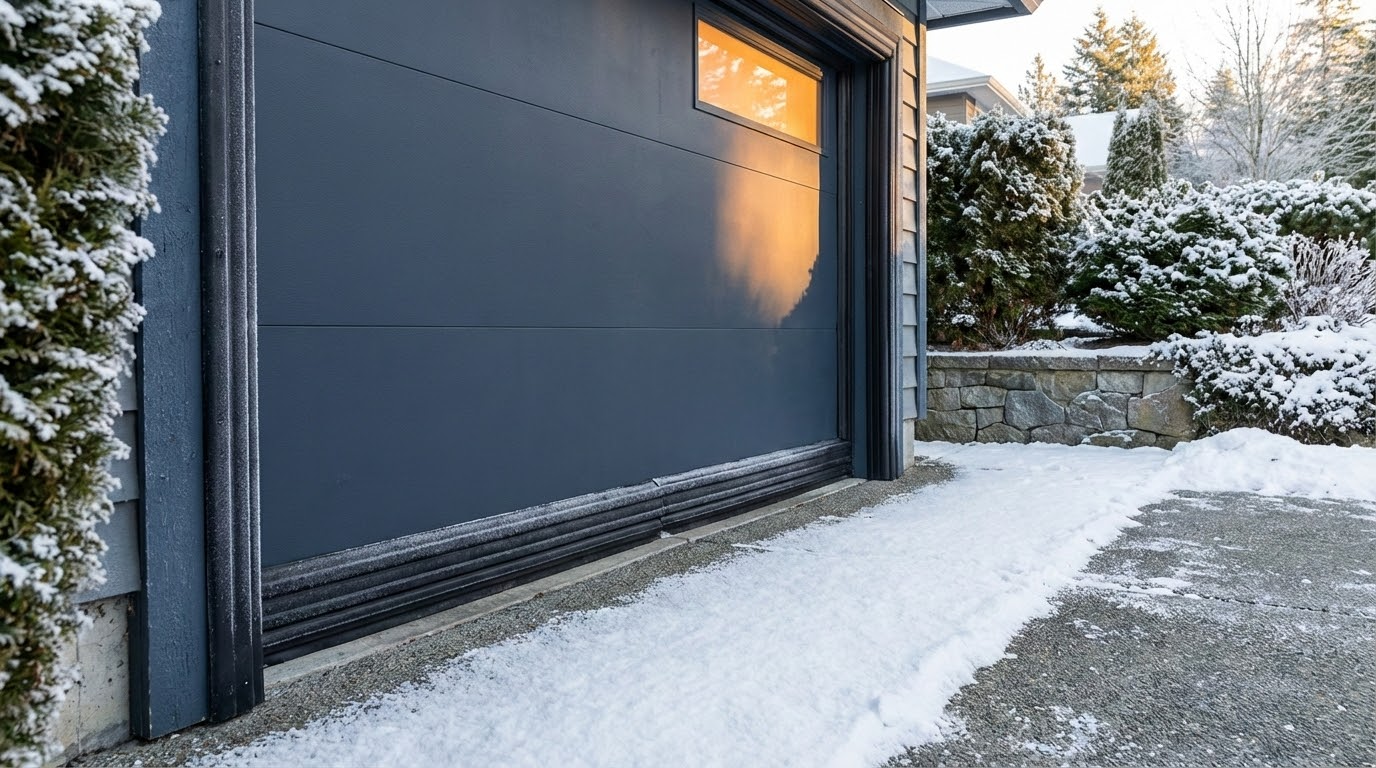
Snow and ice accumulation around the base of the garage door can prevent proper sealing and may freeze the door to the ground. Before operating the door after snowfall, clear away any accumulation from the door’s path and the area immediately in front of the threshold. This practice prevents damage to the bottom seal and avoids the risk of the door straining against frozen resistance.
Never use salt or chemical ice melters directly on the garage door seal, as these substances can degrade rubber and vinyl materials. A shovel and careful attention provide safer alternatives for keeping the door path clear.
Monitoring for Sticking or Slow Operation
Pay attention to how your garage door operates during cold weather. If the door moves more slowly than usual or seems to stick during operation, thickened lubricant or contracting components may be causing increased friction. A fresh application of cold-weather lubricant often resolves these issues. Persistent problems despite lubrication may indicate other concerns that warrant professional evaluation.
What Our Customers Say
“The spring on my garage door broke and they were able to come out within an hour. Very professional service and fair pricing.”
“Excellent experience from start to finish. They helped me select the right door design and the installation was completed in one day.”
“My garage door spring broke on a Saturday morning. They came out the same day and fixed it quickly. Great service!”
“Professional commercial garage door repair. They understood the urgency for our business and minimized our downtime.”
What Mistakes Do Homeowners Commonly Make with Garage Door Maintenance?
Avoiding common errors helps ensure your maintenance efforts produce the desired results. Several mistakes frequently cause problems for well-intentioned homeowners.
Using inappropriate lubricants ranks among the most frequent errors. Products like standard WD-40 may temporarily quiet squeaky parts, but they function as solvents rather than lasting lubricants. The temporary improvement masks the ongoing need for proper lubrication while potentially removing beneficial grease already present. Always use products specifically formulated for garage door applications.
Neglecting safety tests represents another significant oversight. Many homeowners perform general maintenance tasks but skip testing the auto-reverse and photo-eye sensor functions. These safety features protect against serious injuries and should be tested monthly regardless of other maintenance activities.
Attempting repairs beyond appropriate skill levels creates dangerous situations. Springs and cables operate under extreme tension and can cause severe injuries if handled improperly. Professional technicians possess the training with the tools necessary to work safely with these high-tension components.
How Often Should Professional Maintenance Be Scheduled?
While homeowners can handle many routine maintenance tasks, professional inspection provides additional benefits. Trained technicians can identify developing problems before they cause failures and can address issues that require specialized tools or expertise.
Most manufacturers and industry professionals recommend professional inspection at least once annually. Homes with older garage door systems, heavy usage patterns, or exposure to extreme weather conditions may benefit from more frequent professional attention. During a professional visit, technicians typically perform comprehensive safety checks, adjust spring tension as needed, lubricate all moving parts, and identify components approaching the end of their service life.
| Maintenance Type | Frequency | Who Should Perform |
|---|---|---|
| Visual inspection | Monthly | Homeowner |
| Safety feature testing | Monthly | Homeowner |
| Lubrication | Every 4-6 months | Homeowner |
| Hardware tightening | Seasonally | Homeowner |
| Spring and cable inspection | Annually | Professional |
| Balance adjustment | As needed | Professional |
| Comprehensive system check | Annually | Professional |
Why Year-Round Maintenance Matters for Your Garage Door
Consistent maintenance throughout the year delivers benefits that extend beyond simply preventing breakdowns. A well-maintained garage door system operates more safely, more quietly, and more efficiently than one that receives only occasional attention.
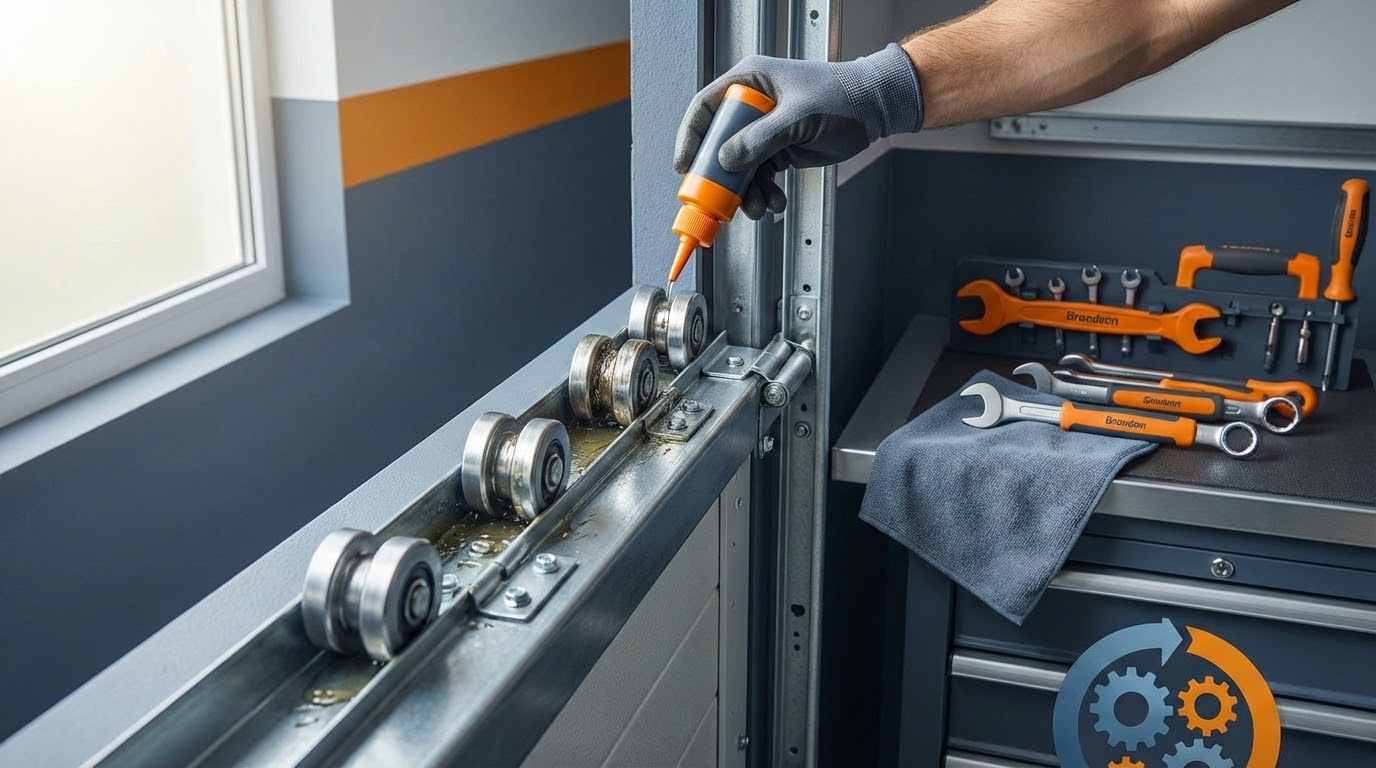
Safety represents the most compelling reason for regular maintenance. Garage doors weigh several hundred pounds and move with significant force. Properly functioning safety features, maintained hardware, and balanced door systems prevent accidents that could cause serious injuries. Regular testing and inspection catch developing problems before they create hazardous conditions.
Energy efficiency improves when weatherstripping and seals remain intact. A properly sealed garage door reduces energy transfer between the garage and outdoor environment, which matters particularly for attached garages. Maintaining these seals throughout the year supports more consistent garage temperatures and can reduce overall home energy consumption.
Financial benefits accrue from preventing major repairs. Replacing a worn roller costs far less than repairing track damage caused by a failed roller. Lubricating springs extends their lifespan compared to running them dry until they break. The modest investment of time and materials for regular maintenance typically returns significant savings over the life of the garage door system.
“Called on a Sunday evening when my opener stopped working. They came out the same night and got everything working again. Outstanding service!”
When to Call Texas Pros Garage Doors for Professional Help
Recognizing when professional assistance is needed helps homeowners avoid both unnecessary service calls and dangerous DIY attempts. Certain situations clearly warrant expert intervention.
Persistent grinding, scraping, or popping noises that continue after lubrication suggest problems beyond routine maintenance. These sounds may indicate worn parts, misalignment, or developing failures that require professional diagnosis. Similarly, a door that becomes unbalanced despite no obvious damage needs expert evaluation to identify the underlying cause.
Any issues with safety features demand immediate professional attention. Malfunctioning auto-reverse mechanisms, erratic photo-eye sensors, or doors that fail to respond properly to controls all create safety hazards that should not be ignored or addressed through amateur repairs.
Visible damage to springs, cables, or tracks requires professional repair. These components operate under extreme stress and present serious injury risks when handled improperly. Texas Pros Garage Doors provides professional overhead door repair services that address these concerns safely and effectively.
Homeowners who want to learn more about maintaining their garage door system between professional visits can explore resources on routine garage door maintenance for additional guidance.
How Does Texas Pros Garage Doors Support Homeowners with Seasonal Care?
Working with an experienced service provider offers advantages that complement your own maintenance efforts. Texas Pros Garage Doors brings practical expertise to garage door care that helps homeowners get the most from their systems.
Technicians familiar with local climate conditions understand the specific challenges that seasonal weather creates for garage door systems. This knowledge informs maintenance recommendations tailored to actual operating conditions rather than generic advice. Homeowners receive guidance appropriate to their specific situation.
Access to quality replacement parts ensures repairs last. When components need replacement, professional-grade parts outperform bargain alternatives and provide better long-term value. Proper installation by trained technicians further extends the service life of replacement parts.
Responsive service availability means help is accessible when needed. Garage door problems rarely occur at convenient times, and having a reliable service provider available reduces the disruption caused by unexpected failures.
Frequently Asked Questions
Under typical conditions, lubricating your garage door every four to six months maintains smooth operation. Homes in dusty or humid climates, or those with heavy garage door usage, benefit from lubrication every three to four months. Apply silicone-based or lithium-based lubricant to rollers, hinges, springs, and the opener drive mechanism, then wipe away excess to prevent dust accumulation.
Standard WD-40 is not recommended as a garage door lubricant. While it may temporarily quiet squeaky parts, it functions primarily as a solvent and penetrating oil rather than a lasting lubricant. It can actually remove beneficial grease and tends to attract dust. Use products specifically designed for garage door lubrication instead.
Cold temperatures affect garage door operation in several ways. Lubricants thicken and become less effective, metal components contract and may bind, and weatherstripping becomes less flexible. These factors increase friction and resistance, which can cause the opener motor to work harder or trigger safety mechanisms that stop operation. Applying cold-weather lubricant and ensuring proper maintenance before winter helps prevent these issues.
Signs that springs may need replacement include visible gaps in torsion spring coils, difficulty lifting the door manually, the door slamming down when released, or the door appearing crooked during operation. A door that fails the balance test—not staying in place when lifted to waist height and released—often indicates spring problems. Never attempt to adjust or replace springs yourself due to serious injury risks.
Garage door tracks should not be lubricated. Lubricant on tracks attracts dirt and debris, creating a sticky buildup that actually impedes smooth operation. Instead, keep tracks clean and free of debris. The rollers that move within the tracks should be lubricated, but the tracks themselves should remain dry and clean.
Place a two-by-four piece of wood flat on the ground in the center of the door opening. Activate the door to close. When the door contacts the wood, it should immediately reverse direction and return to the open position. If the door does not reverse, stop using the automatic opener and contact a professional for inspection. This test should be performed monthly.
Ready to Schedule Your Seasonal Maintenance?
Is your garage door ready for the changing seasons? Contact us today for expert assistance with all your garage door maintenance and repair needs.
(210) 469-9003
Contact Us Today
24/7 Emergency Availability
Licensed and Insured

Recent Comments